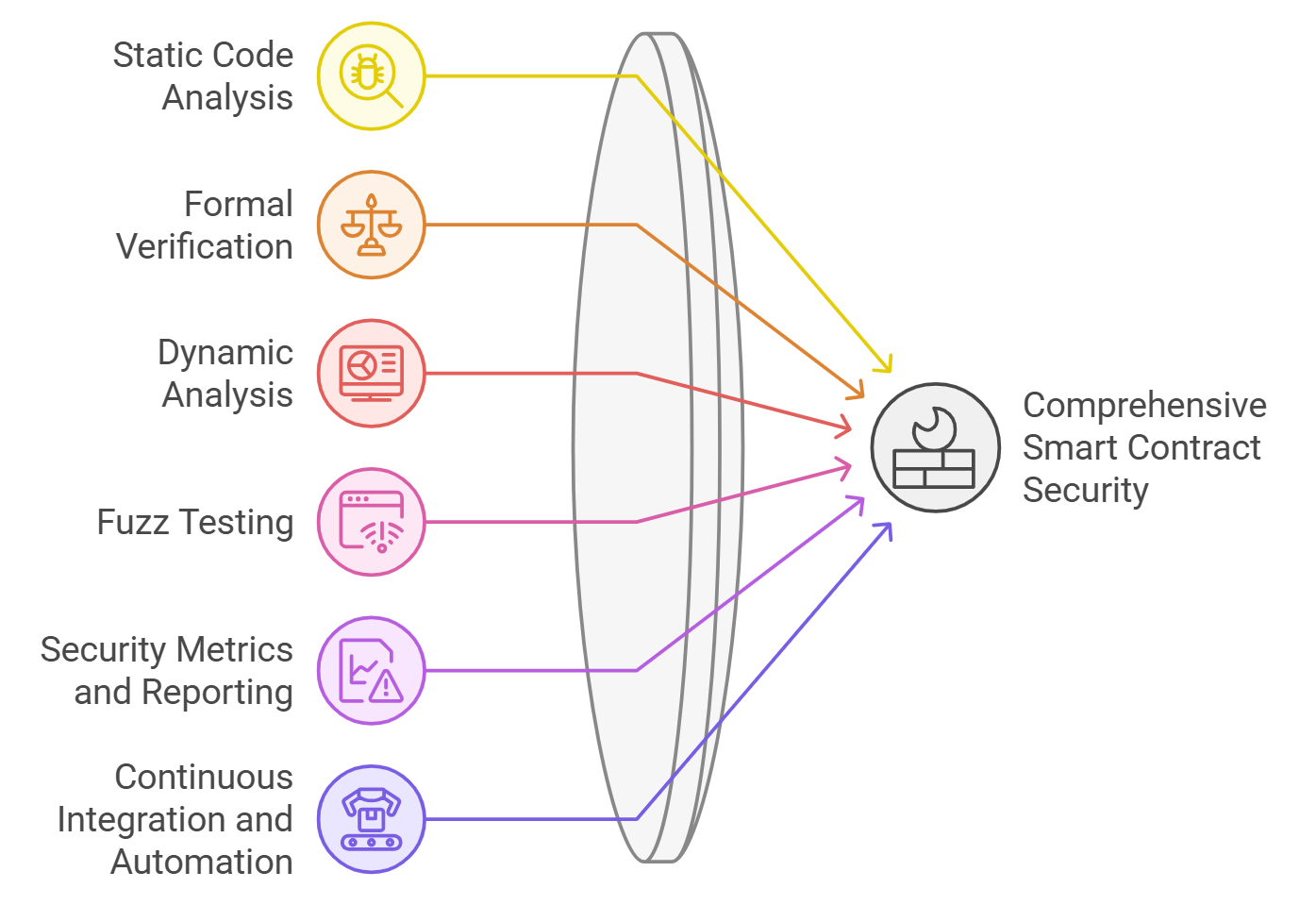
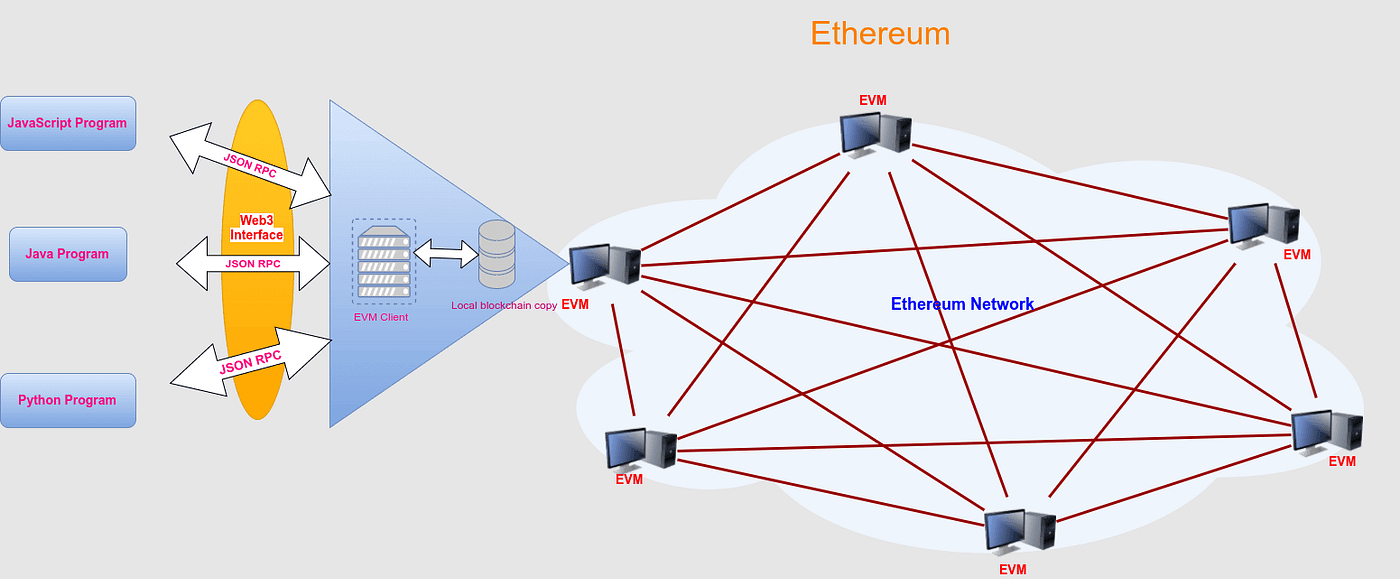
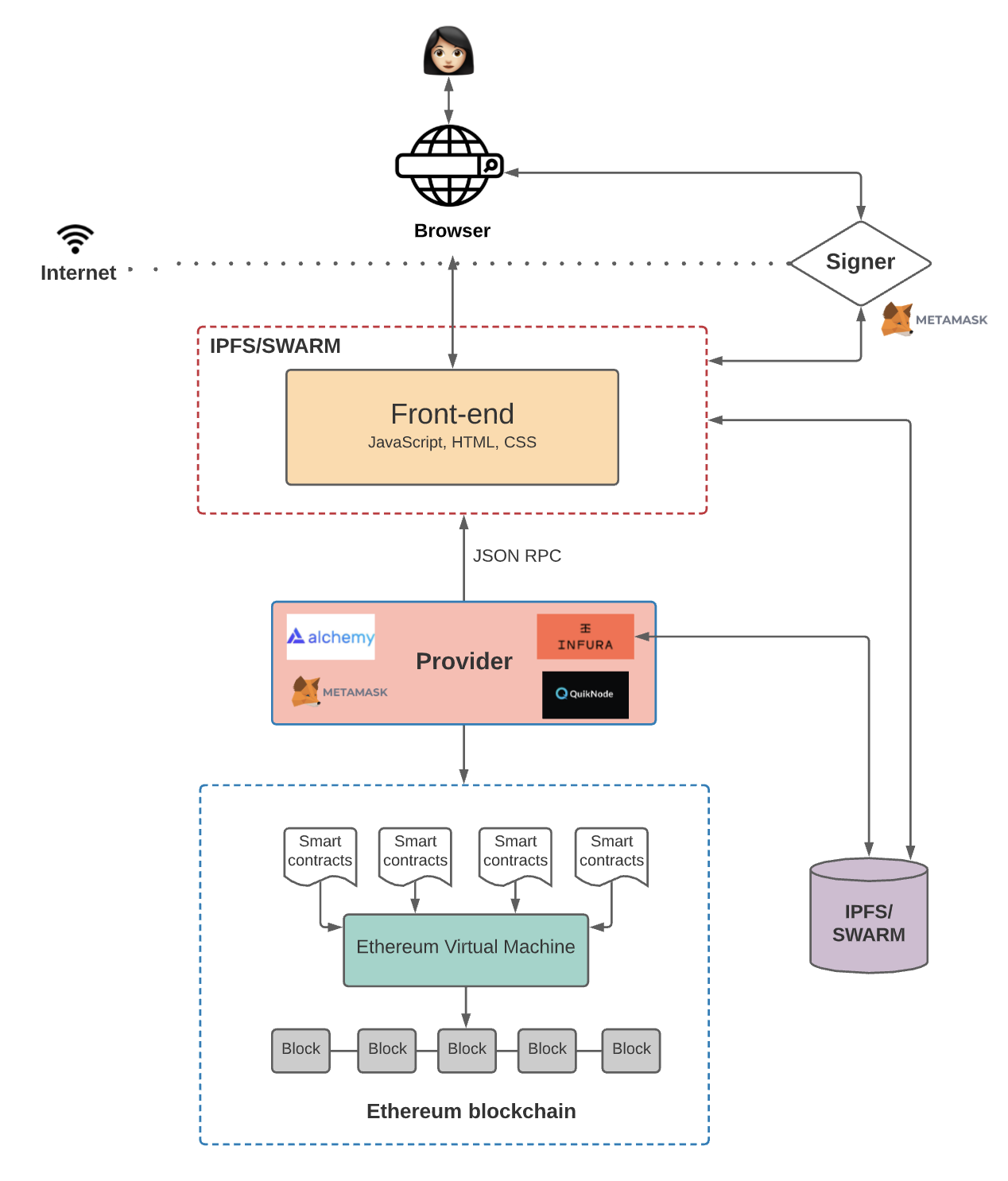
Testing is crucial in smart contract development. A single bug can lead to millions of dollars in losses, as we’ve seen in countless DeFi hacks. In this comprehensive guide, we’ll explore how to build a robust testing suite using Hardhat and Ethers.js, covering everything from basic unit tests to advanced integration testing and gas optimization.
Why Testing Matters
Smart contracts are immutable once deployed. Unlike traditional software where you can patch bugs, blockchain code requires extreme care during development. Proper testing:
- Prevents Financial Loss: Catch bugs before they cost money
- Ensures Correctness: Verify logic works as intended
- Builds Confidence: Deploy with certainty
- Saves Gas: Optimize before mainnet deployment
- Enables Refactoring: Change code safely
Smart contracts are immutable. A single bug can cost millions. Always test thoroughly before deployment!
Setting Up Hardhat
Hardhat is a development environment for Ethereum that makes it easy to compile, deploy, test, and debug smart contracts.
Installation
1
2
3
4
5
6
7
8
9
10
11
12
13
14
15
16
17
18
| # Create new project
mkdir my-defi-project
cd my-defi-project
npm init -y
# Install Hardhat
npm install --save-dev hardhat
# Initialize Hardhat
npx hardhat init
# Select: Create a JavaScript project
# Install additional dependencies
npm install --save-dev @nomicfoundation/hardhat-toolbox
npm install --save-dev @nomicfoundation/hardhat-chai-matchers
npm install --save-dev @nomiclabs/hardhat-ethers
npm install --save-dev ethers
npm install --save-dev chai
|
Project Structure
1
2
3
4
5
6
7
8
9
| my-defi-project/
├── contracts/
│ └── Token.sol
├── scripts/
│ └── deploy.js
├── test/
│ └── Token.test.js
├── hardhat.config.js
└── package.json
|
Hardhat Configuration
1
2
3
4
5
6
7
8
9
10
11
12
13
14
15
16
17
18
19
20
21
22
23
24
25
26
27
28
29
30
31
32
33
34
35
36
37
38
39
| // hardhat.config.js
require("@nomicfoundation/hardhat-toolbox");
require("@nomiclabs/hardhat-ethers");
module.exports = {
solidity: {
version: "0.8.19",
settings: {
optimizer: {
enabled: true,
runs: 200
}
}
},
networks: {
hardhat: {
chainId: 31337,
mining: {
auto: true,
interval: 0
}
},
localhost: {
url: "http://127.0.0.1:8545"
},
goerli: {
url: process.env.GOERLI_RPC_URL || "",
accounts: process.env.PRIVATE_KEY ? [process.env.PRIVATE_KEY] : []
}
},
gasReporter: {
enabled: process.env.REPORT_GAS === "true",
currency: "USD",
coinmarketcap: process.env.COINMARKETCAP_API_KEY
},
etherscan: {
apiKey: process.env.ETHERSCAN_API_KEY
}
};
|
Sample Smart Contract
Let’s create a token contract to test:
// SPDX-License-Identifier: MIT
pragma solidity ^0.8.19;
contract Token {
string public name;
string public symbol;
uint8 public decimals;
uint256 public totalSupply;
mapping(address => uint256) public balanceOf;
mapping(address => mapping(address => uint256)) public allowance;
event Transfer(address indexed from, address indexed to, uint256 value);
event Approval(address indexed owner, address indexed spender, uint256 value);
constructor(string memory _name, string memory _symbol, uint256 _initialSupply) {
name = _name;
symbol = _symbol;
decimals = 18;
totalSupply = _initialSupply * 10 ** decimals;
balanceOf[msg.sender] = totalSupply;
emit Transfer(address(0), msg.sender, totalSupply);
}
function transfer(address _to, uint256 _value) public returns (bool success) {
require(_to != address(0), "Invalid address");
require(balanceOf[msg.sender] >= _value, "Insufficient balance");
balanceOf[msg.sender] -= _value;
balanceOf[_to] += _value;
emit Transfer(msg.sender, _to, _value);
return true;
}
function approve(address _spender, uint256 _value) public returns (bool success) {
require(_spender != address(0), "Invalid address");
allowance[msg.sender][_spender] = _value;
emit Approval(msg.sender, _spender, _value);
return true;
}
function transferFrom(address _from, address _to, uint256 _value) public returns (bool success) {
require(_to != address(0), "Invalid address");
require(balanceOf[_from] >= _value, "Insufficient balance");
require(allowance[_from][msg.sender] >= _value, "Allowance exceeded");
balanceOf[_from] -= _value;
balanceOf[_to] += _value;
allowance[_from][msg.sender] -= _value;
emit Transfer(_from, _to, _value);
return true;
}
}
Basic Unit Tests
Test Structure
1
2
3
4
5
6
7
8
9
10
11
12
13
14
15
16
17
18
19
20
21
22
23
24
25
26
27
28
29
30
31
32
33
34
35
36
37
38
39
40
41
42
43
44
45
46
47
48
49
50
51
52
53
54
55
56
57
58
59
60
61
62
63
64
65
66
67
68
69
70
71
72
73
74
75
76
77
78
79
80
81
82
83
84
85
86
87
88
89
90
91
92
93
94
95
96
97
98
99
100
101
102
103
104
105
106
107
108
109
110
111
112
113
114
115
116
117
118
119
120
121
122
123
124
125
126
127
128
129
130
131
132
133
134
135
136
137
138
139
140
141
142
143
144
145
146
147
148
| const { expect } = require("chai");
const { ethers } = require("hardhat");
describe("Token Contract", function () {
let Token;
let token;
let owner;
let addr1;
let addr2;
let addrs;
// Deploy contract before each test
beforeEach(async function () {
Token = await ethers.getContractFactory("Token");
[owner, addr1, addr2, ...addrs] = await ethers.getSigners();
token = await Token.deploy("MyToken", "MTK", 1000000);
await token.deployed();
});
describe("Deployment", function () {
it("Should set the right owner", async function () {
const ownerBalance = await token.balanceOf(owner.address);
expect(await token.totalSupply()).to.equal(ownerBalance);
});
it("Should assign the total supply of tokens to the owner", async function () {
const ownerBalance = await token.balanceOf(owner.address);
const totalSupply = await token.totalSupply();
expect(totalSupply).to.equal(ownerBalance);
});
it("Should have correct name and symbol", async function () {
expect(await token.name()).to.equal("MyToken");
expect(await token.symbol()).to.equal("MTK");
});
it("Should have 18 decimals", async function () {
expect(await token.decimals()).to.equal(18);
});
});
describe("Transactions", function () {
it("Should transfer tokens between accounts", async function () {
const amount = ethers.utils.parseEther("100");
// Transfer from owner to addr1
await token.transfer(addr1.address, amount);
const addr1Balance = await token.balanceOf(addr1.address);
expect(addr1Balance).to.equal(amount);
// Transfer from addr1 to addr2
await token.connect(addr1).transfer(addr2.address, amount);
const addr2Balance = await token.balanceOf(addr2.address);
expect(addr2Balance).to.equal(amount);
});
it("Should fail if sender doesn't have enough tokens", async function () {
const initialOwnerBalance = await token.balanceOf(owner.address);
const overAmount = initialOwnerBalance.add(1);
await expect(
token.connect(addr1).transfer(owner.address, overAmount)
).to.be.revertedWith("Insufficient balance");
expect(await token.balanceOf(owner.address)).to.equal(initialOwnerBalance);
});
it("Should update balances after transfers", async function () {
const initialOwnerBalance = await token.balanceOf(owner.address);
const amount = ethers.utils.parseEther("100");
await token.transfer(addr1.address, amount);
await token.transfer(addr2.address, amount);
const finalOwnerBalance = await token.balanceOf(owner.address);
expect(finalOwnerBalance).to.equal(initialOwnerBalance.sub(amount.mul(2)));
const addr1Balance = await token.balanceOf(addr1.address);
expect(addr1Balance).to.equal(amount);
const addr2Balance = await token.balanceOf(addr2.address);
expect(addr2Balance).to.equal(amount);
});
it("Should emit Transfer event", async function () {
const amount = ethers.utils.parseEther("100");
await expect(token.transfer(addr1.address, amount))
.to.emit(token, "Transfer")
.withArgs(owner.address, addr1.address, amount);
});
it("Should reject transfers to zero address", async function () {
const amount = ethers.utils.parseEther("100");
await expect(
token.transfer(ethers.constants.AddressZero, amount)
).to.be.revertedWith("Invalid address");
});
});
describe("Allowances", function () {
it("Should approve tokens for delegated transfer", async function () {
const amount = ethers.utils.parseEther("100");
await token.approve(addr1.address, amount);
expect(await token.allowance(owner.address, addr1.address)).to.equal(amount);
});
it("Should emit Approval event", async function () {
const amount = ethers.utils.parseEther("100");
await expect(token.approve(addr1.address, amount))
.to.emit(token, "Approval")
.withArgs(owner.address, addr1.address, amount);
});
it("Should allow transferFrom with sufficient allowance", async function () {
const amount = ethers.utils.parseEther("100");
await token.approve(addr1.address, amount);
await token.connect(addr1).transferFrom(owner.address, addr2.address, amount);
expect(await token.balanceOf(addr2.address)).to.equal(amount);
});
it("Should fail transferFrom without sufficient allowance", async function () {
const amount = ethers.utils.parseEther("100");
await expect(
token.connect(addr1).transferFrom(owner.address, addr2.address, amount)
).to.be.revertedWith("Allowance exceeded");
});
it("Should decrease allowance after transferFrom", async function () {
const amount = ethers.utils.parseEther("100");
const transferAmount = ethers.utils.parseEther("50");
await token.approve(addr1.address, amount);
await token.connect(addr1).transferFrom(owner.address, addr2.address, transferAmount);
const remainingAllowance = await token.allowance(owner.address, addr1.address);
expect(remainingAllowance).to.equal(amount.sub(transferAmount));
});
});
});
|
Advanced Testing Patterns
Testing Time-Dependent Contracts
// SPDX-License-Identifier: MIT
pragma solidity ^0.8.19;
contract TimeLock {
mapping(address => uint256) public lockTime;
mapping(address => uint256) public balances;
uint256 public constant LOCK_DURATION = 7 days;
function deposit() external payable {
require(msg.value > 0, "Must deposit something");
balances[msg.sender] += msg.value;
lockTime[msg.sender] = block.timestamp + LOCK_DURATION;
}
function withdraw() external {
require(balances[msg.sender] > 0, "No balance");
require(block.timestamp >= lockTime[msg.sender], "Still locked");
uint256 amount = balances[msg.sender];
balances[msg.sender] = 0;
(bool success, ) = msg.sender.call{value: amount}("");
require(success, "Transfer failed");
}
}
1
2
3
4
5
6
7
8
9
10
11
12
13
14
15
16
17
18
19
20
21
22
23
24
25
26
27
28
29
30
31
32
33
34
35
36
37
38
39
40
41
42
43
44
45
46
47
48
49
50
51
52
53
54
55
56
57
58
59
60
61
62
63
64
65
66
67
68
69
| const { expect } = require("chai");
const { ethers } = require("hardhat");
const { time } = require("@nomicfoundation/hardhat-network-helpers");
describe("TimeLock", function () {
let timeLock;
let owner;
let addr1;
beforeEach(async function () {
const TimeLock = await ethers.getContractFactory("TimeLock");
[owner, addr1] = await ethers.getSigners();
timeLock = await TimeLock.deploy();
});
describe("Time-based logic", function () {
it("Should not allow withdrawal before lock expires", async function () {
const depositAmount = ethers.utils.parseEther("1");
await timeLock.deposit({ value: depositAmount });
await expect(timeLock.withdraw()).to.be.revertedWith("Still locked");
});
it("Should allow withdrawal after lock expires", async function () {
const depositAmount = ethers.utils.parseEther("1");
await timeLock.deposit({ value: depositAmount });
// Fast forward time by 7 days
await time.increase(7 * 24 * 60 * 60);
await expect(timeLock.withdraw()).to.not.be.reverted;
expect(await timeLock.balances(owner.address)).to.equal(0);
});
it("Should handle multiple deposits correctly", async function () {
const depositAmount = ethers.utils.parseEther("1");
await timeLock.deposit({ value: depositAmount });
// Fast forward 3 days
await time.increase(3 * 24 * 60 * 60);
// Second deposit resets lock time
await timeLock.deposit({ value: depositAmount });
// Fast forward 5 more days (8 days total from first deposit)
await time.increase(5 * 24 * 60 * 60);
// Should still be locked (only 5 days from second deposit)
await expect(timeLock.withdraw()).to.be.revertedWith("Still locked");
});
it("Should allow withdrawal at exact expiry time", async function () {
const depositAmount = ethers.utils.parseEther("1");
await timeLock.deposit({ value: depositAmount });
const lockTime = await timeLock.lockTime(owner.address);
// Set time to exact expiry
await time.increaseTo(lockTime);
await expect(timeLock.withdraw()).to.not.be.reverted;
});
});
});
|
Testing Access Control
// SPDX-License-Identifier: MIT
pragma solidity ^0.8.19;
contract Owned {
address public owner;
event OwnershipTransferred(address indexed previousOwner, address indexed newOwner);
constructor() {
owner = msg.sender;
}
modifier onlyOwner() {
require(msg.sender == owner, "Not owner");
_;
}
function transferOwnership(address newOwner) external onlyOwner {
require(newOwner != address(0), "Invalid address");
emit OwnershipTransferred(owner, newOwner);
owner = newOwner;
}
}
1
2
3
4
5
6
7
8
9
10
11
12
13
14
15
16
17
18
19
20
21
22
23
24
25
26
27
28
29
30
31
32
33
34
35
36
37
38
39
40
41
42
43
44
45
46
47
48
| describe("Owned", function () {
let owned;
let owner;
let addr1;
let addr2;
beforeEach(async function () {
const Owned = await ethers.getContractFactory("Owned");
[owner, addr1, addr2] = await ethers.getSigners();
owned = await Owned.deploy();
});
describe("Access Control", function () {
it("Should set deployer as owner", async function () {
expect(await owned.owner()).to.equal(owner.address);
});
it("Should allow owner to transfer ownership", async function () {
await owned.transferOwnership(addr1.address);
expect(await owned.owner()).to.equal(addr1.address);
});
it("Should emit OwnershipTransferred event", async function () {
await expect(owned.transferOwnership(addr1.address))
.to.emit(owned, "OwnershipTransferred")
.withArgs(owner.address, addr1.address);
});
it("Should prevent non-owners from transferring ownership", async function () {
await expect(
owned.connect(addr1).transferOwnership(addr2.address)
).to.be.revertedWith("Not owner");
});
it("Should prevent transfer to zero address", async function () {
await expect(
owned.transferOwnership(ethers.constants.AddressZero)
).to.be.revertedWith("Invalid address");
});
it("Should allow new owner to transfer ownership", async function () {
await owned.transferOwnership(addr1.address);
await owned.connect(addr1).transferOwnership(addr2.address);
expect(await owned.owner()).to.equal(addr2.address);
});
});
});
|
Testing Contract Interactions
// SPDX-License-Identifier: MIT
pragma solidity ^0.8.19;
interface IERC20 {
function transfer(address to, uint256 amount) external returns (bool);
function transferFrom(address from, address to, uint256 amount) external returns (bool);
function balanceOf(address account) external view returns (uint256);
}
contract DEX {
mapping(address => mapping(address => uint256)) public liquidity;
function addLiquidity(address token, uint256 amount) external {
IERC20(token).transferFrom(msg.sender, address(this), amount);
liquidity[token][msg.sender] += amount;
}
function removeLiquidity(address token, uint256 amount) external {
require(liquidity[token][msg.sender] >= amount, "Insufficient liquidity");
liquidity[token][msg.sender] -= amount;
IERC20(token).transfer(msg.sender, amount);
}
function swap(address tokenIn, address tokenOut, uint256 amountIn) external {
require(amountIn > 0, "Invalid amount");
IERC20(tokenIn).transferFrom(msg.sender, address(this), amountIn);
// Simplified swap (1:1 ratio for demo)
uint256 amountOut = amountIn;
IERC20(tokenOut).transfer(msg.sender, amountOut);
}
}
1
2
3
4
5
6
7
8
9
10
11
12
13
14
15
16
17
18
19
20
21
22
23
24
25
26
27
28
29
30
31
32
33
34
35
36
37
38
39
40
41
42
43
44
45
46
47
48
49
50
51
52
53
54
55
56
57
58
59
60
61
62
63
64
65
66
67
68
69
70
71
72
73
74
75
76
77
78
79
80
81
82
83
84
85
86
87
88
| describe("DEX", function () {
let dex;
let tokenA;
let tokenB;
let owner;
let user;
beforeEach(async function () {
const Token = await ethers.getContractFactory("Token");
const DEX = await ethers.getContractFactory("DEX");
[owner, user] = await ethers.getSigners();
tokenA = await Token.deploy("TokenA", "TKA", 1000000);
tokenB = await Token.deploy("TokenB", "TKB", 1000000);
dex = await DEX.deploy();
// Transfer some tokens to user
await tokenA.transfer(user.address, ethers.utils.parseEther("10000"));
await tokenB.transfer(user.address, ethers.utils.parseEther("10000"));
});
describe("Liquidity Management", function () {
it("Should add liquidity", async function () {
const amount = ethers.utils.parseEther("1000");
await tokenA.connect(user).approve(dex.address, amount);
await dex.connect(user).addLiquidity(tokenA.address, amount);
expect(await dex.liquidity(tokenA.address, user.address)).to.equal(amount);
expect(await tokenA.balanceOf(dex.address)).to.equal(amount);
});
it("Should remove liquidity", async function () {
const amount = ethers.utils.parseEther("1000");
await tokenA.connect(user).approve(dex.address, amount);
await dex.connect(user).addLiquidity(tokenA.address, amount);
const initialBalance = await tokenA.balanceOf(user.address);
await dex.connect(user).removeLiquidity(tokenA.address, amount);
expect(await dex.liquidity(tokenA.address, user.address)).to.equal(0);
expect(await tokenA.balanceOf(user.address)).to.equal(initialBalance.add(amount));
});
it("Should fail to remove more liquidity than available", async function () {
const amount = ethers.utils.parseEther("1000");
await expect(
dex.connect(user).removeLiquidity(tokenA.address, amount)
).to.be.revertedWith("Insufficient liquidity");
});
});
describe("Token Swaps", function () {
beforeEach(async function () {
// Add liquidity for both tokens
const liquidityAmount = ethers.utils.parseEther("5000");
await tokenA.approve(dex.address, liquidityAmount);
await tokenB.approve(dex.address, liquidityAmount);
await dex.addLiquidity(tokenA.address, liquidityAmount);
await dex.addLiquidity(tokenB.address, liquidityAmount);
});
it("Should swap tokens", async function () {
const swapAmount = ethers.utils.parseEther("100");
const initialBalanceA = await tokenA.balanceOf(user.address);
const initialBalanceB = await tokenB.balanceOf(user.address);
await tokenA.connect(user).approve(dex.address, swapAmount);
await dex.connect(user).swap(tokenA.address, tokenB.address, swapAmount);
expect(await tokenA.balanceOf(user.address)).to.equal(initialBalanceA.sub(swapAmount));
expect(await tokenB.balanceOf(user.address)).to.equal(initialBalanceB.add(swapAmount));
});
it("Should fail swap with zero amount", async function () {
await expect(
dex.connect(user).swap(tokenA.address, tokenB.address, 0)
).to.be.revertedWith("Invalid amount");
});
});
});
|
Gas Optimization Testing
1
2
3
4
5
6
7
8
9
10
11
12
13
14
15
16
17
18
19
20
21
22
23
24
25
26
27
28
29
30
31
32
33
34
35
36
37
38
39
40
41
42
43
44
45
46
| describe("Gas Optimization", function () {
let token;
let owner;
let users;
beforeEach(async function () {
const Token = await ethers.getContractFactory("Token");
[owner, ...users] = await ethers.getSigners();
token = await Token.deploy("GasToken", "GAS", 1000000);
});
it("Should measure gas for single transfer", async function () {
const amount = ethers.utils.parseEther("100");
const tx = await token.transfer(users[0].address, amount);
const receipt = await tx.wait();
console.log("Gas used for single transfer:", receipt.gasUsed.toString());
expect(receipt.gasUsed).to.be.lt(100000); // Assert gas limit
});
it("Should compare gas for multiple transfers", async function () {
const amount = ethers.utils.parseEther("100");
// Sequential transfers
const tx1 = await token.transfer(users[0].address, amount);
const receipt1 = await tx1.wait();
const tx2 = await token.transfer(users[1].address, amount);
const receipt2 = await tx2.wait();
const totalGas = receipt1.gasUsed.add(receipt2.gasUsed);
console.log("Total gas for 2 transfers:", totalGas.toString());
// Could compare with batch transfer implementation
});
it("Should measure deployment gas", async function () {
const Token = await ethers.getContractFactory("Token");
const deployTx = await Token.deploy("TestToken", "TST", 1000000);
const deployReceipt = await deployTx.deployTransaction.wait();
console.log("Deployment gas:", deployReceipt.gasUsed.toString());
});
});
|
Snapshot and Revert Testing
1
2
3
4
5
6
7
8
9
10
11
12
13
14
15
16
17
18
19
20
21
22
23
24
25
26
27
28
29
30
31
32
33
34
35
| const { loadFixture } = require("@nomicfoundation/hardhat-network-helpers");
describe("Using Fixtures", function () {
async function deployTokenFixture() {
const Token = await ethers.getContractFactory("Token");
const [owner, addr1, addr2] = await ethers.getSigners();
const token = await Token.deploy("MyToken", "MTK", 1000000);
await token.deployed();
// Pre-populate some state
await token.transfer(addr1.address, ethers.utils.parseEther("1000"));
return { token, owner, addr1, addr2 };
}
it("Should use fixture for fast testing", async function () {
const { token, addr1 } = await loadFixture(deployTokenFixture);
// State is already set up
expect(await token.balanceOf(addr1.address)).to.equal(
ethers.utils.parseEther("1000")
);
});
it("Should start with fresh state", async function () {
const { token, addr1, addr2 } = await loadFixture(deployTokenFixture);
// Each test gets clean state
const amount = ethers.utils.parseEther("500");
await token.connect(addr1).transfer(addr2.address, amount);
expect(await token.balanceOf(addr2.address)).to.equal(amount);
});
});
|
Coverage Reporting
1
2
3
4
5
6
7
8
| # Install coverage plugin
npm install --save-dev solidity-coverage
# Add to hardhat.config.js
require("solidity-coverage");
# Run coverage
npx hardhat coverage
|
Coverage output example:
1
2
3
4
5
6
| File | % Stmts | % Branch | % Funcs | % Lines |
--------------------|----------|----------|----------|----------|
contracts/ | 100 | 100 | 100 | 100 |
Token.sol | 100 | 100 | 100 | 100 |
--------------------|----------|----------|----------|----------|
All files | 100 | 100 | 100 | 100 |
|
Continuous Integration
1
2
3
4
5
6
7
8
9
10
11
12
13
14
15
16
17
18
19
20
21
22
23
24
25
26
27
28
29
30
31
32
33
34
35
| # .github/workflows/test.yml
name: Smart Contract Tests
on:
push:
branches: [ main, develop ]
pull_request:
branches: [ main ]
jobs:
test:
runs-on: ubuntu-latest
steps:
- uses: actions/checkout@v3
- name: Setup Node.js
uses: actions/setup-node@v3
with:
node-version: '18'
cache: 'npm'
- name: Install dependencies
run: npm ci
- name: Run tests
run: npx hardhat test
- name: Run coverage
run: npx hardhat coverage
- name: Upload coverage to Codecov
uses: codecov/codecov-action@v3
with:
files: ./coverage/coverage-final.json
|
Best Practices
1. Test Organization
1
2
3
4
5
6
7
8
9
10
11
12
13
14
15
| describe("Contract Name", function () {
describe("Function Group 1", function () {
it("Should do X", async function () {
// Test X
});
it("Should fail when Y", async function () {
// Test failure case
});
});
describe("Function Group 2", function () {
// More tests
});
});
|
2. Use Meaningful Test Names
1
2
3
4
5
| // Good
it("Should transfer tokens from sender to recipient", async function () {});
// Bad
it("Test 1", async function () {});
|
3. Test Edge Cases
1
2
3
4
5
6
| describe("Edge Cases", function () {
it("Should handle zero amount", async function () {});
it("Should handle maximum uint256", async function () {});
it("Should handle zero address", async function () {});
it("Should handle empty arrays", async function () {});
});
|
4. Clean Test Setup
1
2
3
4
5
6
7
8
9
| beforeEach(async function () {
// Fresh state for each test
const Contract = await ethers.getContractFactory("MyContract");
contract = await Contract.deploy();
});
afterEach(async function () {
// Cleanup if needed
});
|
Running Tests
1
2
3
4
5
6
7
8
9
10
11
12
13
14
15
16
17
18
19
20
| # Run all tests
npx hardhat test
# Run specific test file
npx hardhat test test/Token.test.js
# Run with gas reporting
REPORT_GAS=true npx hardhat test
# Run with verbose output
npx hardhat test --verbose
# Run specific test by name
npx hardhat test --grep "Should transfer tokens"
# Parallel testing
npx hardhat test --parallel
# Show stack traces
npx hardhat test --show-stack-traces
|
Debugging Tests
1
2
3
4
5
6
7
8
9
10
11
12
13
| // Add console.log in tests
it("Debug test", async function () {
console.log("Owner address:", owner.address);
console.log("Balance:", (await token.balanceOf(owner.address)).toString());
});
// Use hardhat console
const { Console } = require("console");
// Inspect transactions
const tx = await token.transfer(addr1.address, amount);
const receipt = await tx.wait();
console.log("Transaction:", receipt);
|
Conclusion
Comprehensive testing is non-negotiable in smart contract development. With Hardhat and Ethers.js, you have powerful tools to build confidence in your code before it hits mainnet. Remember:
- Test all functions and edge cases
- Measure and optimize gas usage
- Use fixtures for complex setups
- Implement CI/CD for automated testing
- Aim for 100% code coverage
- Test interactions between contracts
- Verify time-dependent logic
- Check access control thoroughly
Resources
Happy testing!