Redis (REmote DIctionary Server), yüksek performanslı, in-memory key-value veri deposudur. Mikroservis mimarilerinde önbellekleme, oturum yönetimi, message queue ve real-time analytics gibi birçok kritik görevde kullanılır. Bu yazıda Redis’in temellerinden production-ready kullanımına kadar detaylı bir rehber sunacağız.
Redis Neden Bu Kadar Popüler?
Redis’in popülaritesinin arkasında birçok teknik avantaj bulunur:
- In-Memory Storage: Tüm veriler RAM’de tutulur, disk I/O yok
- Single-Threaded: Lock mekanizmasına gerek yok, atomic operasyonlar
- 10-100x Hız Artışı: Database sorgularına göre mikrosaniye mertebesinde yanıt süreleri
- Sub-millisecond Latency: Ortalama < 1ms okuma/yazma süresi
Veri Yapıları
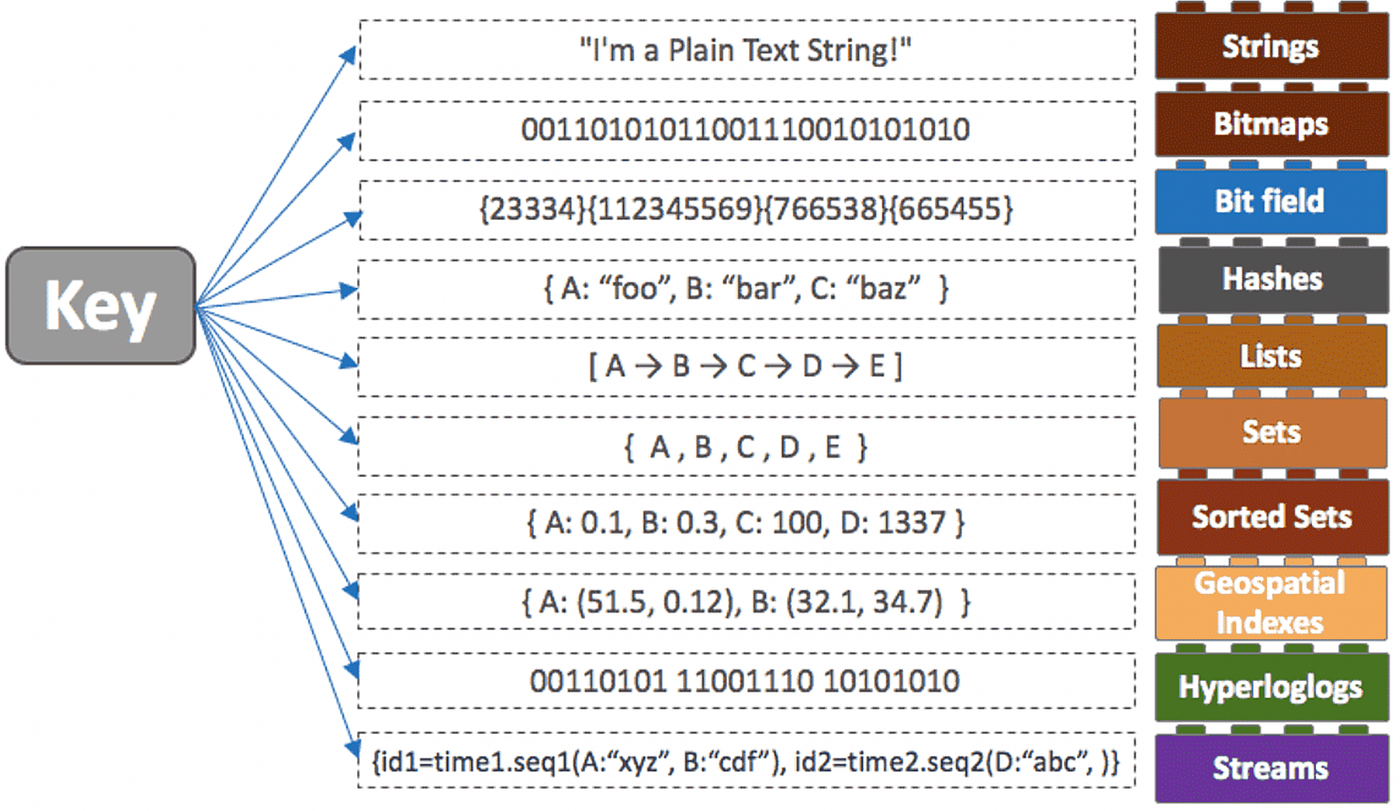
Redis sadece string değil, birçok gelişmiş veri yapısı sunar:
- Strings: Basit key-value çiftleri
- Hashes: Object benzeri yapılar
- Lists: FIFO/LIFO kuyruklar
- Sets: Benzersiz değer koleksiyonları
- Sorted Sets: Sıralı kümeler (leaderboard için ideal)
- Bitmaps: Bit-level operasyonlar
- HyperLogLogs: Kardinalite tahmini
- Streams: Log benzeri veri yapısı
Kullanım Alanları
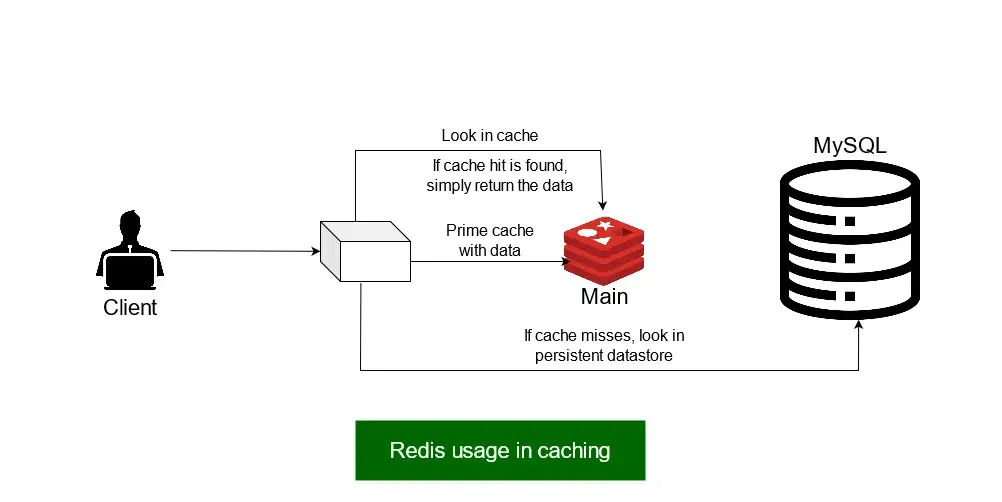
- Caching: Database query sonuçlarını önbellekleme
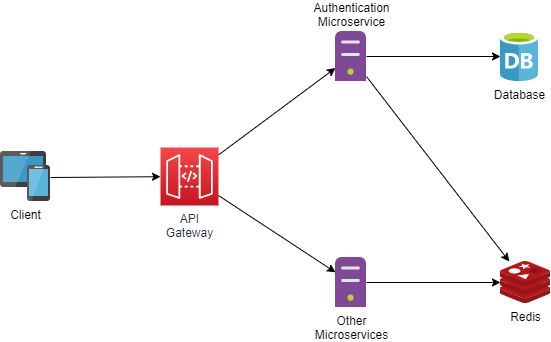
- Session Store: Kullanıcı oturumlarını merkezi yönetim
- Rate Limiting: API rate limiter implementasyonu
- Leaderboards: Gaming skorlar, ranking sistemleri
- Real-time Analytics: Sayaçlar, metrikler
- Pub/Sub: Message broker, event streaming
- Geospatial: Lokasyon bazlı sorgular
Redis Kurulumu
Ubuntu/Debian için Kurulum
1
2
3
4
5
6
7
8
9
10
11
12
13
14
15
16
| # Redis resmi repository'yi ekle
curl -fsSL https://packages.redis.io/gpg | sudo gpg --dearmor -o /usr/share/keyrings/redis-archive-keyring.gpg
echo "deb [signed-by=/usr/share/keyrings/redis-archive-keyring.gpg] https://packages.redis.io/deb $(lsb_release -cs) main" | sudo tee /etc/apt/sources.list.d/redis.list
# Redis'i kur
sudo apt update
sudo apt install redis-server redis-tools
# Redis'i başlat
sudo systemctl start redis-server
sudo systemctl enable redis-server
# Kurulumu test et
redis-cli ping
# Yanıt: PONG
|
Docker ile Kurulum
1
2
3
4
5
6
7
8
9
10
11
12
13
14
15
16
17
| # Redis container çalıştır
docker run -d \
--name redis \
-p 6379:6379 \
-v redis-data:/data \
redis:7-alpine redis-server --appendonly yes
# Persistent data ile
docker run -d \
--name redis-persistent \
-p 6379:6379 \
-v /my/redis/data:/data \
-v /my/redis/conf:/usr/local/etc/redis \
redis:7-alpine redis-server /usr/local/etc/redis/redis.conf
# Redis CLI'ya bağlan
docker exec -it redis redis-cli
|
Docker Compose ile Production Setup
1
2
3
4
5
6
7
8
9
10
11
12
13
14
15
16
17
18
19
20
21
22
23
24
25
26
27
28
29
30
31
32
33
34
35
36
37
38
39
40
41
| version: '3.8'
services:
redis:
image: redis:7-alpine
container_name: redis-server
command: redis-server --requirepass ${REDIS_PASSWORD} --maxmemory 512mb --maxmemory-policy allkeys-lru
ports:
- "6379:6379"
volumes:
- redis-data:/data
- ./redis.conf:/usr/local/etc/redis/redis.conf
environment:
- REDIS_REPLICATION_MODE=master
networks:
- app-network
healthcheck:
test: ["CMD", "redis-cli", "ping"]
interval: 10s
timeout: 3s
retries: 3
restart: unless-stopped
redis-commander:
image: rediscommander/redis-commander:latest
container_name: redis-ui
environment:
- REDIS_HOSTS=local:redis:6379:0:${REDIS_PASSWORD}
ports:
- "8081:8081"
depends_on:
- redis
networks:
- app-network
volumes:
redis-data:
networks:
app-network:
driver: bridge
|
Redis Temel Komutlar
String Operasyonları
1
2
3
4
5
6
7
8
9
10
11
12
13
14
15
16
17
18
19
20
21
22
23
24
25
26
27
28
29
30
31
32
33
34
35
36
37
38
39
40
41
| # SET ve GET
SET user:1000:name "John Doe"
GET user:1000:name
# EX ile expiration (saniye)
SET session:abc123 "user_data" EX 3600
# PX ile expiration (milisaniye)
SET token:xyz789 "auth_token" PX 300000
# NX: Sadece key yoksa set et
SET product:100:stock 50 NX
# XX: Sadece key varsa update et
SET product:100:stock 45 XX
# GETSET: Get edip yeni değer set et
GETSET counter:page_views 0
# MSET ve MGET (Multiple)
MSET user:1:name "Alice" user:1:age "30" user:1:city "Istanbul"
MGET user:1:name user:1:age user:1:city
# INCR ve DECR (Atomic counter)
INCR page:views
INCRBY page:views 10
DECR product:stock
DECRBY product:stock 5
# APPEND
SET msg "Hello"
APPEND msg " World"
GET msg # "Hello World"
# STRLEN
STRLEN msg # 11
# Key expire yönetimi
EXPIRE user:session 3600
TTL user:session
PERSIST user:session # Expiration'ı kaldır
|
Redis ile Caching Stratejileri
Hash Operasyonları
Hash’ler, object-like yapılar oluşturmak için idealdir:
1
2
3
4
5
6
7
8
9
10
11
12
13
14
15
16
17
18
19
20
21
22
23
24
25
26
27
28
| # HSET ve HGET
HSET user:1000 name "John Doe" email "[email protected]" age 30
HGET user:1000 name
# HMSET (Multiple field set - deprecated, HSET kullan)
HSET user:1000 name "John" email "[email protected]" age 30
# HMGET (Multiple field get)
HMGET user:1000 name email age
# HGETALL (Tüm field'ları getir)
HGETALL user:1000
# HEXISTS (Field var mı kontrol et)
HEXISTS user:1000 name
# HDEL (Field sil)
HDEL user:1000 age
# HINCRBY (Numeric field artır)
HINCRBY user:1000 login_count 1
# HKEYS ve HVALS
HKEYS user:1000 # Tüm field isimlerini getir
HVALS user:1000 # Tüm değerleri getir
# HLEN (Field sayısı)
HLEN user:1000
|
List Operasyonları
List’ler FIFO/LIFO queue implementasyonu için kullanılır:
1
2
3
4
5
6
7
8
9
10
11
12
13
14
15
16
17
18
19
20
21
22
23
24
25
26
| # LPUSH ve RPUSH (Başa/Sona ekle)
LPUSH queue:tasks "task1"
RPUSH queue:tasks "task2" "task3"
# LPOP ve RPOP (Baştan/Sondan çıkar)
LPOP queue:tasks
RPOP queue:tasks
# LRANGE (Range query)
LRANGE queue:tasks 0 -1 # Tüm elemanları getir
LRANGE queue:tasks 0 10 # İlk 10 elemanı getir
# LLEN (List uzunluğu)
LLEN queue:tasks
# LINDEX (Index'e göre eleman)
LINDEX queue:tasks 0
# LSET (Index'e set et)
LSET queue:tasks 0 "updated_task"
# LTRIM (Listeyi trim et)
LTRIM queue:tasks 0 99 # İlk 100 elemanı tut
# BLPOP ve BRPOP (Blocking pop - queue için ideal)
BLPOP queue:tasks 30 # 30 saniye bekle
|
Set Operasyonları
Set’ler benzersiz değerler içindir:
1
2
3
4
5
6
7
8
9
10
11
12
13
14
15
16
17
18
19
20
21
22
23
24
25
26
27
28
| # SADD (Set'e ekle)
SADD tags:post:100 "python" "redis" "cache"
# SMEMBERS (Tüm elemanları getir)
SMEMBERS tags:post:100
# SISMEMBER (Eleman var mı kontrol)
SISMEMBER tags:post:100 "python"
# SREM (Eleman sil)
SREM tags:post:100 "cache"
# SCARD (Set boyutu)
SCARD tags:post:100
# Set operasyonları
SADD set1 "a" "b" "c"
SADD set2 "b" "c" "d"
SINTER set1 set2 # Kesişim: ["b", "c"]
SUNION set1 set2 # Birleşim: ["a", "b", "c", "d"]
SDIFF set1 set2 # Fark: ["a"]
# SPOP (Random eleman çıkar)
SPOP tags:post:100
# SRANDMEMBER (Random eleman getir, silme)
SRANDMEMBER tags:post:100 2
|
Sorted Set Operasyonları
Sorted set’ler score ile sıralanmış kümelerdir (leaderboard için mükemmel):
1
2
3
4
5
6
7
8
9
10
11
12
13
14
15
16
17
18
19
20
21
22
23
24
25
26
27
28
29
30
31
32
| # ZADD (Score ile ekle)
ZADD leaderboard:game1 1000 "player1"
ZADD leaderboard:game1 1500 "player2" 1200 "player3"
# ZRANGE (Score'a göre sıralı getir)
ZRANGE leaderboard:game1 0 -1 WITHSCORES
ZRANGE leaderboard:game1 0 9 WITHSCORES # Top 10
# ZREVRANGE (Ters sıralı - en yüksekten başla)
ZREVRANGE leaderboard:game1 0 9 WITHSCORES
# ZSCORE (Belirli member'ın score'u)
ZSCORE leaderboard:game1 "player1"
# ZINCRBY (Score artır)
ZINCRBY leaderboard:game1 50 "player1"
# ZRANK ve ZREVRANK (Sıralama)
ZRANK leaderboard:game1 "player1" # 0'dan başlayan rank
ZREVRANK leaderboard:game1 "player1" # Ters sıralı rank
# ZCOUNT (Score aralığındaki eleman sayısı)
ZCOUNT leaderboard:game1 1000 2000
# ZRANGEBYSCORE (Score aralığına göre getir)
ZRANGEBYSCORE leaderboard:game1 1000 1500 WITHSCORES
# ZREM (Member sil)
ZREM leaderboard:game1 "player1"
# ZREMRANGEBYRANK (Rank aralığını sil)
ZREMRANGEBYRANK leaderboard:game1 10 -1 # 11. sıradan sonrakileri sil
|
Redis Veri Yapıları: String, Hash, List, Set, Sorted Set
Python ile Redis Kullanımı
Kurulum ve Bağlantı
1
| pip install redis redis-py-cluster
|
1
2
3
4
5
6
7
8
9
10
11
12
13
14
15
16
17
18
19
20
21
22
23
24
25
26
27
28
29
30
31
32
33
34
35
36
37
38
39
40
41
| import redis
from redis import Redis, ConnectionPool
from typing import Optional, Dict, List
import json
# Basit bağlantı
r = redis.Redis(
host='localhost',
port=6379,
db=0,
decode_responses=True # String olarak decode et
)
# Connection pool ile (production için önerilen)
pool = ConnectionPool(
host='localhost',
port=6379,
db=0,
max_connections=50,
decode_responses=True
)
r = Redis(connection_pool=pool)
# Authentication ile
r = redis.Redis(
host='localhost',
port=6379,
password='your_password',
db=0,
decode_responses=True
)
# Redis URL ile
r = redis.from_url('redis://:password@localhost:6379/0')
# Bağlantıyı test et
try:
r.ping()
print("Redis bağlantısı başarılı!")
except redis.ConnectionError:
print("Redis'e bağlanılamıyor!")
|
Cache Wrapper Sınıfı
1
2
3
4
5
6
7
8
9
10
11
12
13
14
15
16
17
18
19
20
21
22
23
24
25
26
27
28
29
30
31
32
33
34
35
36
37
38
39
40
41
42
43
44
45
46
47
48
49
50
51
52
53
54
55
56
57
58
59
60
61
62
63
64
65
66
67
68
69
70
71
72
73
74
75
76
77
78
79
80
81
82
83
84
85
86
87
88
89
90
91
92
93
94
95
96
97
98
| from functools import wraps
import hashlib
import pickle
from typing import Any, Callable
class RedisCache:
"""Redis cache wrapper sınıfı"""
def __init__(self, redis_client: Redis, default_ttl: int = 3600):
self.redis = redis_client
self.default_ttl = default_ttl
def _make_key(self, prefix: str, *args, **kwargs) -> str:
"""Cache key oluştur"""
key_parts = [prefix] + [str(arg) for arg in args]
if kwargs:
key_parts.append(str(sorted(kwargs.items())))
key_string = ":".join(key_parts)
return f"cache:{hashlib.md5(key_string.encode()).hexdigest()}"
def get(self, key: str) -> Optional[Any]:
"""Cache'den veri al"""
data = self.redis.get(key)
if data:
return pickle.loads(data)
return None
def set(self, key: str, value: Any, ttl: Optional[int] = None) -> bool:
"""Cache'e veri kaydet"""
ttl = ttl or self.default_ttl
serialized = pickle.dumps(value)
return self.redis.setex(key, ttl, serialized)
def delete(self, key: str) -> bool:
"""Cache'den sil"""
return bool(self.redis.delete(key))
def exists(self, key: str) -> bool:
"""Key var mı kontrol et"""
return bool(self.redis.exists(key))
def clear_pattern(self, pattern: str) -> int:
"""Pattern'e uyan tüm key'leri sil"""
keys = self.redis.keys(pattern)
if keys:
return self.redis.delete(*keys)
return 0
def cache_function(self, ttl: Optional[int] = None, prefix: str = "func"):
"""Decorator: Function sonucunu cache'le"""
def decorator(func: Callable) -> Callable:
@wraps(func)
def wrapper(*args, **kwargs):
# Cache key oluştur
cache_key = self._make_key(
f"{prefix}:{func.__name__}",
*args,
**kwargs
)
# Cache'den dene
cached_result = self.get(cache_key)
if cached_result is not None:
print(f"Cache HIT: {cache_key}")
return cached_result
# Cache MISS: Fonksiyonu çalıştır
print(f"Cache MISS: {cache_key}")
result = func(*args, **kwargs)
# Sonucu cache'le
self.set(cache_key, result, ttl or self.default_ttl)
return result
return wrapper
return decorator
# Kullanım örneği
cache = RedisCache(r, default_ttl=300)
@cache.cache_function(ttl=600, prefix="user")
def get_user_from_db(user_id: int) -> Dict:
"""Simulated database query"""
import time
time.sleep(2) # Yavaş DB sorgusu simülasyonu
return {
"id": user_id,
"name": "John Doe",
"email": "[email protected]"
}
# İlk çağrı: DB'den gelir (2 saniye)
user = get_user_from_db(1)
# İkinci çağrı: Cache'den gelir (milisaniyeler)
user = get_user_from_db(1)
|
FastAPI ile Cache Entegrasyonu
1
2
3
4
5
6
7
8
9
10
11
12
13
14
15
16
17
18
19
20
21
22
23
24
25
26
27
28
29
30
31
32
33
34
35
36
37
38
39
40
41
42
43
44
45
46
47
48
49
50
51
52
53
54
55
56
57
58
59
60
61
62
63
64
65
66
67
68
69
70
71
72
73
74
75
76
77
78
79
80
81
82
83
84
85
86
87
88
89
| from fastapi import FastAPI, Depends
from pydantic import BaseModel
import redis.asyncio as aioredis
from typing import Optional
import json
app = FastAPI()
# Async Redis client
redis_client: Optional[aioredis.Redis] = None
@app.on_event("startup")
async def startup():
global redis_client
redis_client = await aioredis.from_url(
"redis://localhost:6379",
encoding="utf-8",
decode_responses=True
)
@app.on_event("shutdown")
async def shutdown():
if redis_client:
await redis_client.close()
class Product(BaseModel):
id: int
name: str
price: float
stock: int
async def get_redis() -> aioredis.Redis:
"""Redis dependency"""
return redis_client
@app.get("/products/{product_id}")
async def get_product(
product_id: int,
redis: aioredis.Redis = Depends(get_redis)
):
"""Product getir - Cache stratejisi ile"""
cache_key = f"product:{product_id}"
# Cache'den dene
cached = await redis.get(cache_key)
if cached:
return {"source": "cache", "data": json.loads(cached)}
# DB'den çek (simulated)
product = Product(
id=product_id,
name=f"Product {product_id}",
price=99.99,
stock=100
)
# Cache'e kaydet (1 saat)
await redis.setex(
cache_key,
3600,
product.model_dump_json()
)
return {"source": "database", "data": product}
@app.put("/products/{product_id}")
async def update_product(
product_id: int,
product: Product,
redis: aioredis.Redis = Depends(get_redis)
):
"""Product güncelle ve cache'i invalidate et"""
# DB'yi güncelle (simulated)
# Cache'i invalidate et
await redis.delete(f"product:{product_id}")
# İlgili cache pattern'lerini temizle
keys = await redis.keys(f"product:list:*")
if keys:
await redis.delete(*keys)
return {"message": "Product updated", "invalidated_cache": len(keys) + 1}
@app.post("/cache/flush")
async def flush_cache(redis: aioredis.Redis = Depends(get_redis)):
"""Tüm cache'i temizle (dikkatli kullan!)"""
await redis.flushdb()
return {"message": "Cache flushed"}
|
Redis ile Mikroservislerde Session Yönetimi
Session Management
Flask ile Session Store
1
2
3
4
5
6
7
8
9
10
11
12
13
14
15
16
17
18
19
20
21
22
23
24
25
26
27
28
29
30
31
32
33
34
35
36
37
38
39
40
41
42
43
44
45
46
47
48
49
| from flask import Flask, session
from flask_session import Session
import redis
app = Flask(__name__)
# Session configuration
app.config['SECRET_KEY'] = 'your-secret-key-here'
app.config['SESSION_TYPE'] = 'redis'
app.config['SESSION_PERMANENT'] = False
app.config['SESSION_USE_SIGNER'] = True
app.config['SESSION_KEY_PREFIX'] = 'session:'
app.config['SESSION_REDIS'] = redis.Redis(
host='localhost',
port=6379,
db=0
)
Session(app)
@app.route('/login', methods=['POST'])
def login():
# User authentication
user_id = 12345
# Session'a kaydet
session['user_id'] = user_id
session['username'] = 'johndoe'
session['roles'] = ['user', 'admin']
return {'message': 'Logged in successfully'}
@app.route('/profile')
def profile():
# Session'dan oku
user_id = session.get('user_id')
if not user_id:
return {'error': 'Not authenticated'}, 401
return {
'user_id': user_id,
'username': session.get('username'),
'roles': session.get('roles')
}
@app.route('/logout', methods=['POST'])
def logout():
session.clear()
return {'message': 'Logged out successfully'}
|
Custom Session Manager
1
2
3
4
5
6
7
8
9
10
11
12
13
14
15
16
17
18
19
20
21
22
23
24
25
26
27
28
29
30
31
32
33
34
35
36
37
38
39
40
41
42
43
44
45
46
47
48
49
50
51
52
53
54
55
56
57
58
59
60
61
62
63
64
65
66
67
68
69
70
71
72
73
74
75
76
77
78
79
80
81
82
83
84
85
86
87
88
89
90
91
92
| import uuid
import json
from datetime import timedelta
from typing import Optional, Dict, Any
class SessionManager:
"""Redis-based session manager"""
def __init__(self, redis_client: Redis, prefix: str = "session"):
self.redis = redis_client
self.prefix = prefix
self.default_ttl = timedelta(hours=24)
def create_session(self, user_id: int, data: Dict[str, Any]) -> str:
"""Yeni session oluştur"""
session_id = str(uuid.uuid4())
session_key = f"{self.prefix}:{session_id}"
session_data = {
'user_id': user_id,
'created_at': datetime.utcnow().isoformat(),
**data
}
self.redis.setex(
session_key,
self.default_ttl,
json.dumps(session_data)
)
return session_id
def get_session(self, session_id: str) -> Optional[Dict]:
"""Session verisini getir"""
session_key = f"{self.prefix}:{session_id}"
data = self.redis.get(session_key)
if data:
# TTL'i yenile (sliding expiration)
self.redis.expire(session_key, self.default_ttl)
return json.loads(data)
return None
def update_session(self, session_id: str, data: Dict[str, Any]) -> bool:
"""Session'ı güncelle"""
session_key = f"{self.prefix}:{session_id}"
current_data = self.get_session(session_id)
if not current_data:
return False
current_data.update(data)
current_data['updated_at'] = datetime.utcnow().isoformat()
self.redis.setex(
session_key,
self.default_ttl,
json.dumps(current_data)
)
return True
def delete_session(self, session_id: str) -> bool:
"""Session'ı sil (logout)"""
session_key = f"{self.prefix}:{session_id}"
return bool(self.redis.delete(session_key))
def get_user_sessions(self, user_id: int) -> List[str]:
"""User'ın tüm session'larını getir"""
pattern = f"{self.prefix}:*"
sessions = []
for key in self.redis.scan_iter(match=pattern, count=100):
data = self.redis.get(key)
if data:
session_data = json.loads(data)
if session_data.get('user_id') == user_id:
sessions.append(key.split(':')[-1])
return sessions
def invalidate_user_sessions(self, user_id: int) -> int:
"""User'ın tüm session'larını sil"""
sessions = self.get_user_sessions(user_id)
count = 0
for session_id in sessions:
if self.delete_session(session_id):
count += 1
return count
|
Rate Limiting
Token Bucket Algorithm
1
2
3
4
5
6
7
8
9
10
11
12
13
14
15
16
17
18
19
20
21
22
23
24
25
26
27
28
29
30
31
32
33
34
35
36
37
38
39
40
41
42
43
44
45
46
47
48
49
50
51
52
53
54
55
56
57
58
59
60
61
62
63
64
65
66
67
68
69
70
71
72
73
74
75
76
77
78
79
80
81
82
83
84
85
86
87
88
89
90
91
92
93
94
95
96
97
98
99
100
101
| import time
from typing import Tuple
class RateLimiter:
"""Redis-based rate limiter (Token Bucket)"""
def __init__(self, redis_client: Redis):
self.redis = redis_client
def is_allowed(
self,
identifier: str,
max_requests: int = 100,
window_seconds: int = 60
) -> Tuple[bool, Dict]:
"""Rate limit kontrolü"""
key = f"ratelimit:{identifier}"
current_time = int(time.time())
# Lua script (atomic operation)
lua_script = """
local key = KEYS[1]
local max_requests = tonumber(ARGV[1])
local window = tonumber(ARGV[2])
local current_time = tonumber(ARGV[3])
local count = redis.call('GET', key)
if not count then
redis.call('SETEX', key, window, 1)
return {1, max_requests - 1, window}
end
count = tonumber(count)
if count < max_requests then
redis.call('INCR', key)
local ttl = redis.call('TTL', key)
return {1, max_requests - count - 1, ttl}
end
local ttl = redis.call('TTL', key)
return {0, 0, ttl}
"""
allowed, remaining, reset = self.redis.eval(
lua_script,
1,
key,
max_requests,
window_seconds,
current_time
)
return bool(allowed), {
'limit': max_requests,
'remaining': int(remaining),
'reset': int(reset)
}
# FastAPI middleware örneği
from fastapi import Request, HTTPException
from starlette.middleware.base import BaseHTTPMiddleware
class RateLimitMiddleware(BaseHTTPMiddleware):
def __init__(self, app, redis_client: Redis):
super().__init__(app)
self.limiter = RateLimiter(redis_client)
async def dispatch(self, request: Request, call_next):
# Client IP'ye göre rate limit
client_ip = request.client.host
allowed, info = self.limiter.is_allowed(
identifier=client_ip,
max_requests=100,
window_seconds=60
)
if not allowed:
raise HTTPException(
status_code=429,
detail=f"Rate limit exceeded. Try again in {info['reset']} seconds",
headers={
'X-RateLimit-Limit': str(info['limit']),
'X-RateLimit-Remaining': '0',
'X-RateLimit-Reset': str(info['reset'])
}
)
response = await call_next(request)
# Rate limit headers ekle
response.headers['X-RateLimit-Limit'] = str(info['limit'])
response.headers['X-RateLimit-Remaining'] = str(info['remaining'])
response.headers['X-RateLimit-Reset'] = str(info['reset'])
return response
# Kullanım
app.add_middleware(RateLimitMiddleware, redis_client=r)
|
Production Best Practices
1. Redis Configuration (redis.conf)
1
2
3
4
5
6
7
8
9
10
11
12
13
14
15
16
17
18
19
20
21
22
23
24
25
26
| # Memory management
maxmemory 2gb
maxmemory-policy allkeys-lru
# Persistence (RDB + AOF)
save 900 1
save 300 10
save 60 10000
appendonly yes
appendfsync everysec
# Security
requirepass your_strong_password_here
rename-command FLUSHDB ""
rename-command FLUSHALL ""
rename-command CONFIG "CONFIG_abc123"
# Performance
tcp-backlog 511
timeout 300
tcp-keepalive 60
databases 16
# Logging
loglevel notice
logfile /var/log/redis/redis-server.log
|
2. Monitoring
1
2
3
4
5
6
7
8
9
10
11
12
13
14
15
16
17
18
19
20
| def get_redis_info(redis_client: Redis) -> Dict:
"""Redis metrics"""
info = redis_client.info()
return {
'version': info['redis_version'],
'uptime_days': info['uptime_in_days'],
'connected_clients': info['connected_clients'],
'used_memory': f"{info['used_memory_human']}",
'used_memory_peak': f"{info['used_memory_peak_human']}",
'total_commands_processed': info['total_commands_processed'],
'instantaneous_ops_per_sec': info['instantaneous_ops_per_sec'],
'keyspace_hits': info['keyspace_hits'],
'keyspace_misses': info['keyspace_misses'],
'hit_rate': round(
info['keyspace_hits'] /
(info['keyspace_hits'] + info['keyspace_misses']) * 100,
2
) if (info['keyspace_hits'] + info['keyspace_misses']) > 0 else 0
}
|
3. Connection Pooling
1
2
3
4
5
6
7
8
9
10
11
12
13
14
15
| # Connection pool best practices
pool = redis.ConnectionPool(
host='localhost',
port=6379,
password='your_password',
db=0,
max_connections=50,
socket_timeout=5,
socket_connect_timeout=5,
socket_keepalive=True,
health_check_interval=30,
decode_responses=True
)
r = redis.Redis(connection_pool=pool)
|
4. Error Handling
1
2
3
4
5
6
7
8
9
10
11
12
13
14
15
16
17
18
19
20
21
22
23
24
25
26
27
| from redis.exceptions import (
ConnectionError,
TimeoutError,
RedisError
)
def safe_redis_operation(func):
"""Redis operation wrapper with error handling"""
@wraps(func)
def wrapper(*args, **kwargs):
try:
return func(*args, **kwargs)
except ConnectionError:
logger.error("Redis connection error")
# Fallback logic
return None
except TimeoutError:
logger.error("Redis timeout")
return None
except RedisError as e:
logger.error(f"Redis error: {e}")
return None
return wrapper
@safe_redis_operation
def get_from_cache(key: str):
return r.get(key)
|
Sonuç
Redis, modern web uygulamalarında vazgeçilmez bir bileşen haline gelmiştir. Önbellekleme ve oturum yönetimi gibi temel kullanımların ötesinde, rate limiting, leaderboard, pub/sub ve real-time analytics gibi birçok advanced kullanım senaryosu sunar.
Bu yazıda öğrendikleriniz:
- Redis kurulumu ve temel komutlar
- Tüm veri yapıları (String, Hash, List, Set, Sorted Set)
- Python ile Redis entegrasyonu
- Cache stratejileri ve function decorator
- Session management implementasyonu
- Rate limiting algoritmaları
- Production best practices
Önerilen Kaynaklar
Bir sonraki yazımızda Traefik ile reverse proxy ve SSL yönetimini inceleyeceğiz. Takipte kalın!