Polygon Network Mimarisi: Ethereum Ölçeklemesinde Derinlemesine Teknik Analiz
Polygon (Matic) Layer 2 ölçekleme çözümünün mimari yapısı. Plasma framework, PoS bridge, validator sistemleri ve zkEVM geçişi üzerine teknik inceleme.
Giriş: Ethereum’un Yükünü Hafifletmek
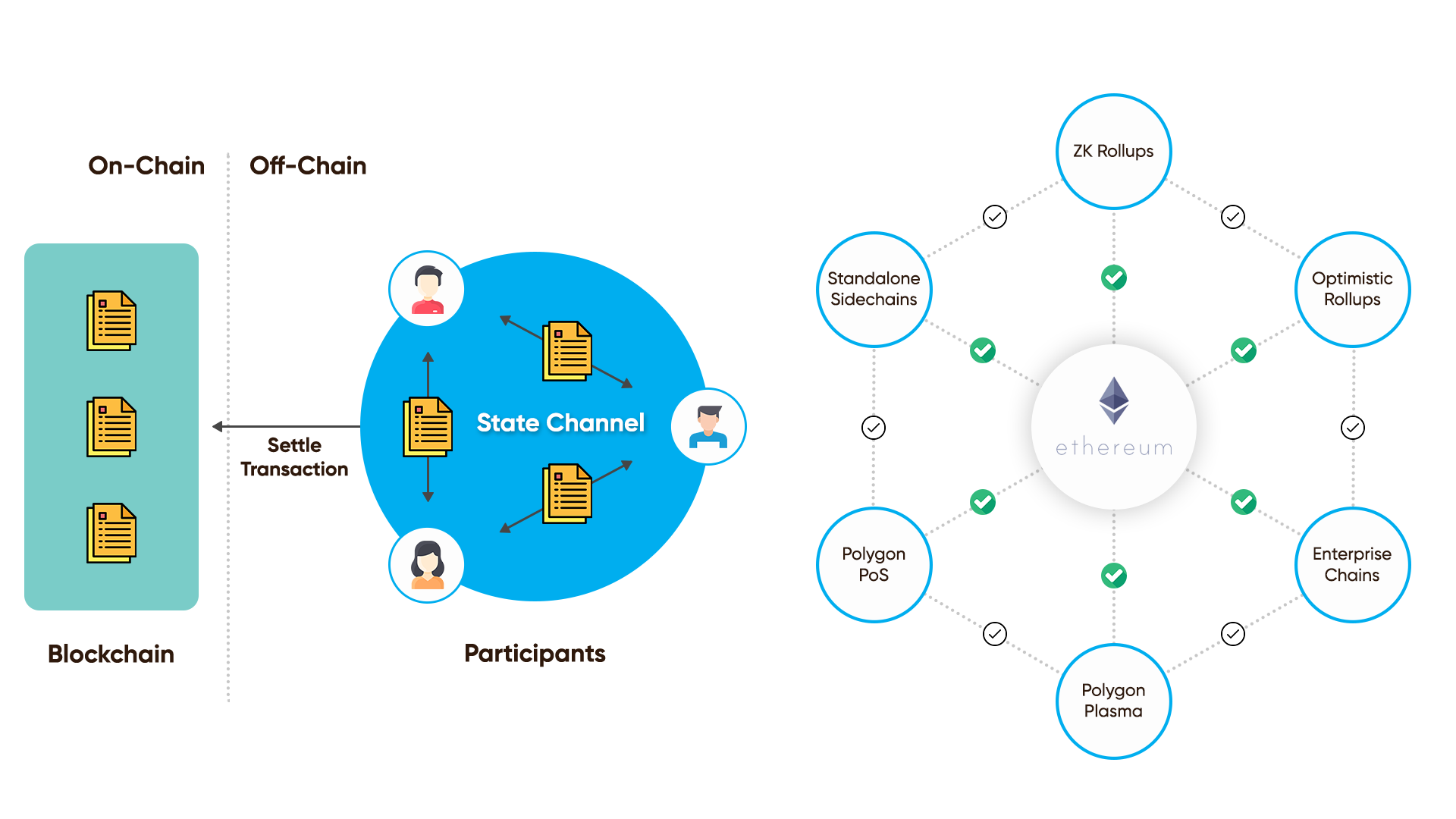
Ethereum, merkeziyetsizlik ve güvenlikten ödün vermeden ölçeklenmeye çalışırken, Polygon (eski adıyla Matic Network) bu soruna sunduğu pragmatik ve güçlü çözümle ekosistemin vazgeçilmez bir parçası haline geldi. Bir senior blockchain mühendisi için Polygon, sadece “düşük gas ücreti” demek değil; aynı zamanda karmaşık bir checkpoint sistemi, multi-layer mimari ve hibrit bir güvenlik modelidir.
Bu rehberde, Polygon’un Ethereum üzerindeki yükü nasıl aldığını, Heimdall ve Bor katmanlarının nasıl bir senkronizasyon içinde çalıştığını ve yakında tamamen hayatımıza girecek olan Polygon 2.0 (AggLayer) vizyonunu teknik bir derinlikle inceleyeceğiz.
Polygon’un Üç Katmanlı Mimarisi: Heimdall ve Bor
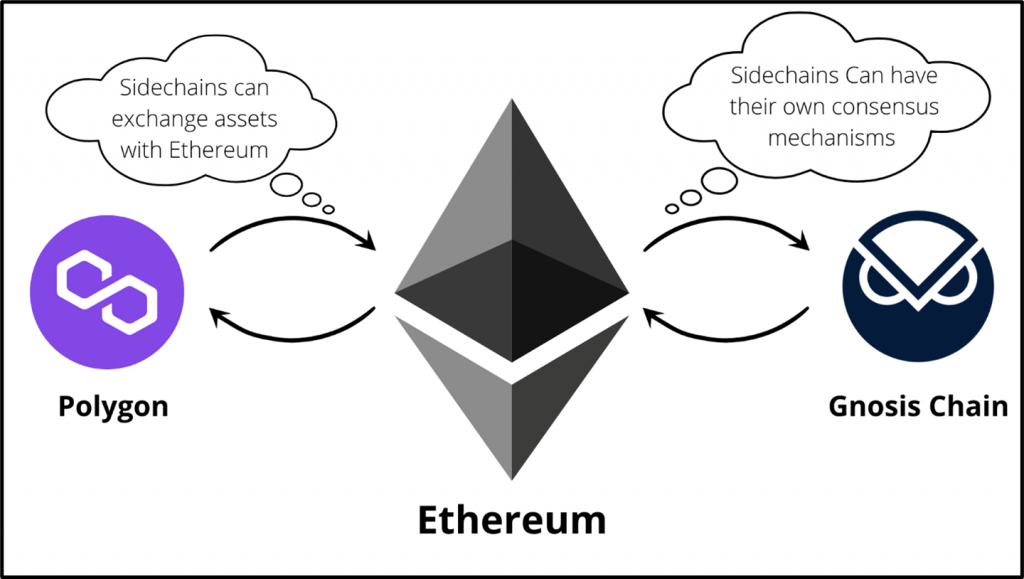
Polygon PoS zinciri, aslında tek bir blokzincir değil, birbiriyle uyum içinde çalışan üç temel katmandan oluşur. Bu ayrım, ağın hem hızı (performans) hem de güvenliği (finality) arasındaki dengeyi kurmasını sağlar.
1. Ethereum Katmanı (L1 Smart Contracts)
Polygon’un “kökleri” Ethereum ana ağındadır. Staking, checkpoint doğrulama ve ödül dağıtımı gibi kritik işlemler Ethereum üzerindeki akıllı kontratlar tarafından yönetilir. Yani Polygon, güvenliğini en nihayetinde Ethereum’un devasa hash gücü ve güvenliğinden alır.
2. Heimdall Katmanı (Validation Layer)
Heimdall, Polygon mimarisinin “beyni” ve kontrol kulesidir. Cosmos-SDK tabanlı bir katman olan Heimdall, validator’lerin staking işlemlerini takip eder ve belirli periyotlarla (checkpoint) Polygon’daki işlemlerin özetini (root hash) Ethereum’a gönderir.
- Checkpoints: Yaklaşık her 256 blokta bir, Heimdall bir checkpoint oluşturur. Bu, Ethereum ağında bir “snapshot” bırakmak gibidir.
- Güvenlik: Eğer Polygon ağında bir sorun çıkarsa, kullanıcılar varlıklarını Ethereum üzerindeki bu en son checkpoint’ten kurtarabilirler.
3. Bor Katmanı (Execution Layer)
Bor, Polygon ağının “kas gücü”dür. İşlemleri asıl gerçekleştiren, blokları üreten ve EVM (Ethereum Virtual Machine) uyumluluğunu sağlayan katman burasıdır.
- Blok Üretimi: Bor, işlemlerin milisaniyeler içinde işlenmesini sağlayarak yaklaşık 2 saniyelik blok süreleri sunar.
- EVM Uyumluluğu: Ethereum için yazılmış herhangi bir akıllı kontrat, Bor katmanında hiçbir değişiklik yapılmadan çalıştırılabilir.
PoS Bridge: Varlıkların Güvenli Geçişi
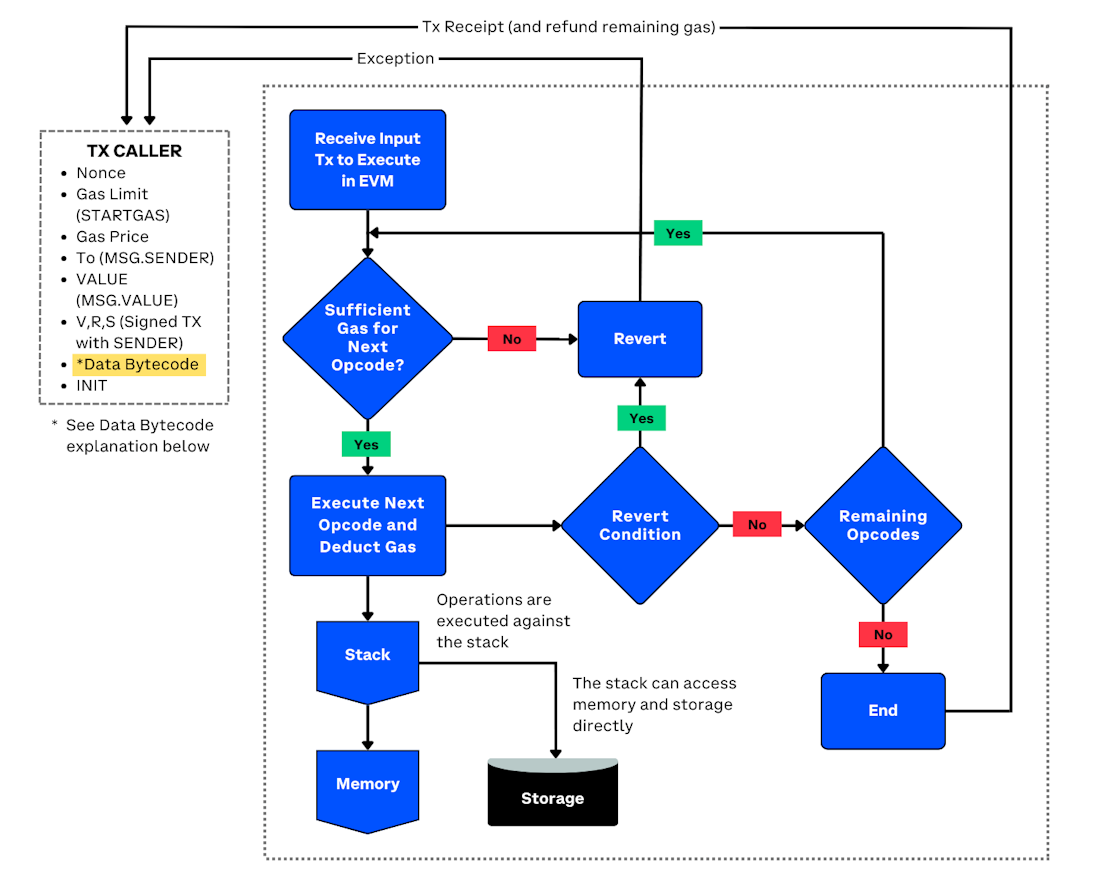
Ethereum ve Polygon arasındaki en popüler köprü, PoS Bridge’dir. Bu köprü aslında Ethereum üzerinde yer alan bir grup akıllı kontrattır. Bir varlığı Ethereum’dan Polygon’a taşıdığınızda (Deposit), varlık L1’de kilitlenir ve L2 (Polygon) tarafında “mint”lenir.
Senior Analizi: Bir köprünün güvenliği, validator setinin dürüstlüğüne bağlıdır. Polygon’da 100’den fazla validator, milyonlarca dolar değerinde MATIC (veya yeni adıyla POL) stake ederek bu köprünün güvenliğini sağlamaktadır. Kötü niyetli bir işlem tespit edildiğinde, “slashing” mekanizması devreye girer ve validator’ün stake ettiği varlıklar yakılır.
State Sync: Katmanlar Arası Haberleşme
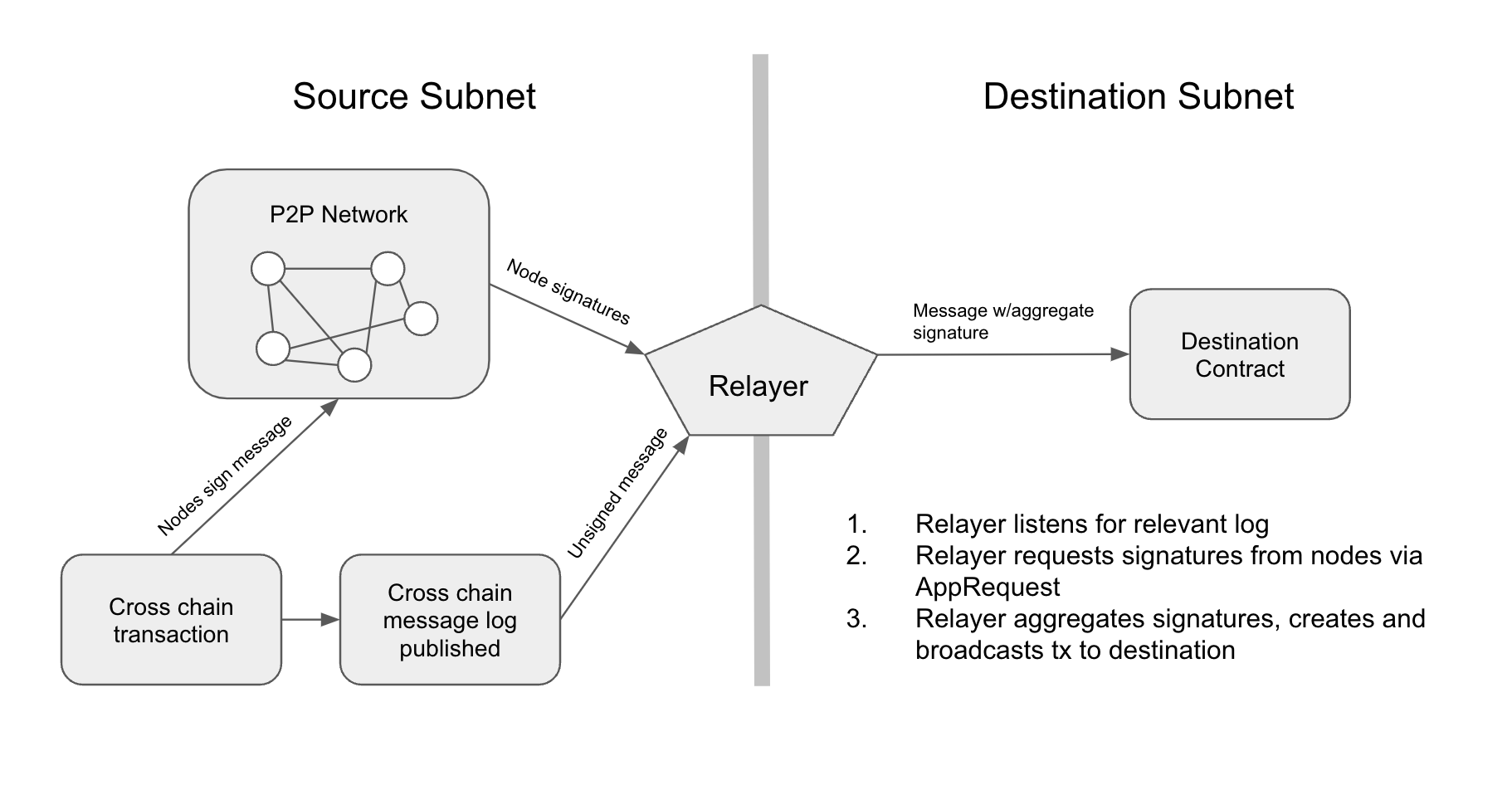
Polygon’daki StateSync mekanizması, Ethereum’daki bir olaydan (event) Polygon ağını haberdar etmek için kullanılır. Örneğin, Ethereum’da bir varlık kilitlendiğinde, Heimdall bunu tespit eder ve Bor katmanına “bu cüzdana şu kadar varlık ekle” talimatını gönderir.
// Örnek: Basit bir StateSync alıcısı
contract PolygonStateReceiver {
    address public stateSender;

    constructor(address _stateSender) {
        stateSender = _stateSender;
    }

    function onStateReceive(uint256 id, bytes calldata data) external {
        require(msg.sender == stateSender, "Yetkisiz gonderici");
        // State verisini isle
        (address user, uint256 amount) = abi.decode(data, (address, uint256));
        _distributeAssets(user, amount);
    }
}
Mühendislik Analizi: Checkpoint Mekanizması Nasıl Çalışır?
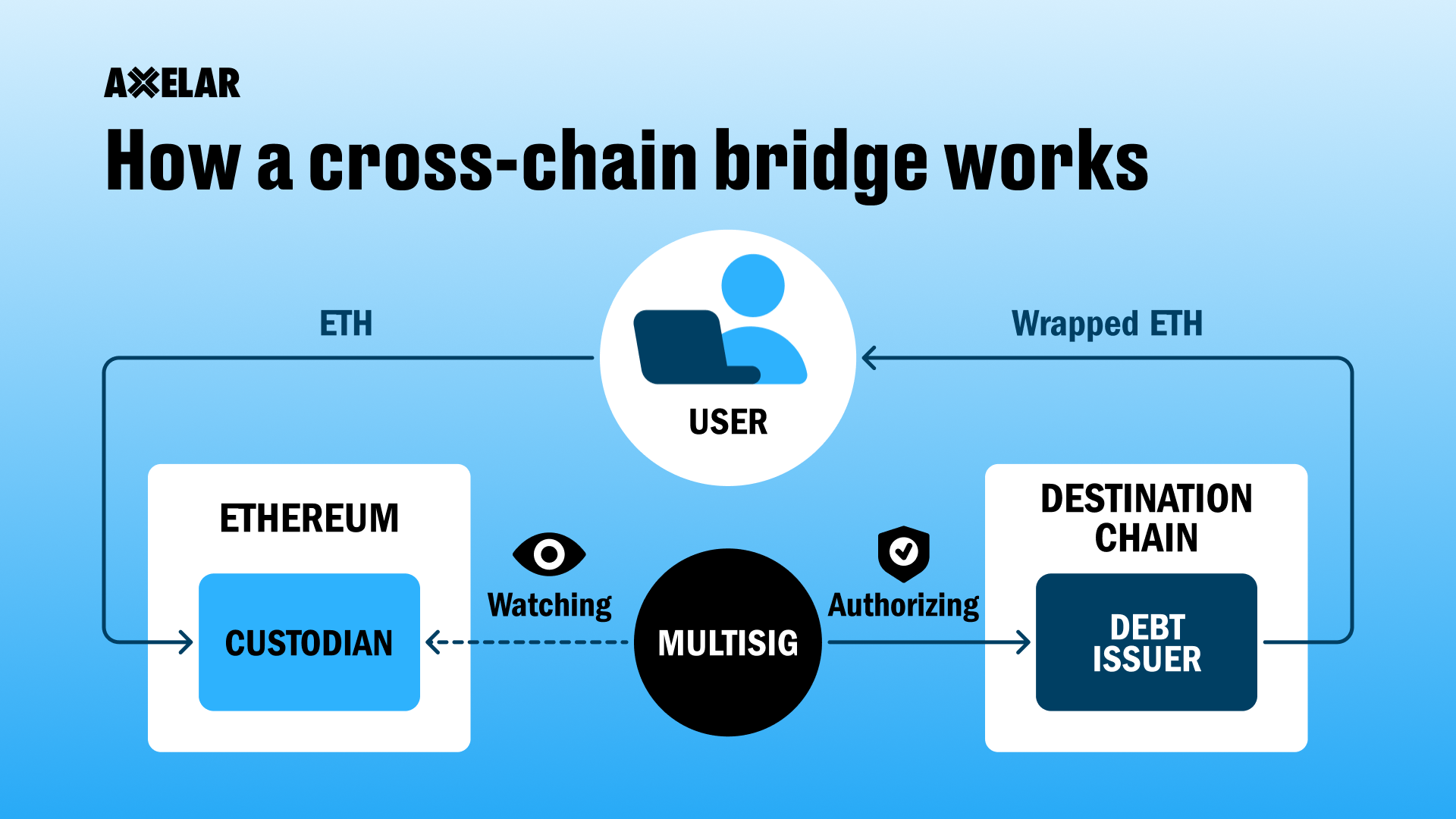
Checkpoint sistemi, Polygon’u basit bir “sidechain” olmaktan çıkarıp “commit-chain” seviyesine taşır. Bir senior geliştirici olarak bilmeniz gereken şey şudur: Bor katmanındaki bir işlem “hızlı” onay alırken, “kesin” (final) onayını ancak Heimdall bu işlemi Ethereum’a checkpoint olarak gönderdiğinde alır. Bu süre genellikle 15-30 dakika arasındadır.
Polygon’da Gas Optimizasyonu: Ucuz Ama Sınırsız Değil
Polygon’da işlem ücretleri Ethereum’a göre çok düşük olsa da, yüksek trafikli anlarda (örneğin popüler bir NFT minting sırasında) gas fiyatları sıçrayabilir. Bir senior mühendis, kontratlarını her zaman “gas-efficient” (gaz verimli) tasarlamalıdır.
1. Batch İşlemler
Eğer binden fazla kullanıcıya airdrop yapacaksanız, her birini ayrı birer transaction olarak göndermek yerine, batchTransfer fonksiyonları kullanarak döngüler (loops) üzerinden tek bir transaction’da toplamak maliyeti %30-50 düşürebilir.
2. Calldata Kullanımı
Bellek (Memory) kullanımı Solana ve Ethereum’da olduğu gibi Polygon’da da pahalıdır. Eğer veriyi sadece okuyacaksanız ve üzerinde değişiklik yapmayacaksanız, memory yerine calldata keyword’ünü kullanmak ciddi tasarruf sağlar.
3. Events vs Storage
Sadece off-chain uygulamaların (frontend, indexer) okuması gereken verileri kontratın “storage” alanında tutmak yerine, bir “Event” olarak yayınlamak (emit) çok daha ucuzdur.
Güvenlik Analizi: Multisig ve Yükseltilebilirlik
Polygon ağındaki kritik kontratlar (köprü kontratları gibi), genellikle bir “Proxy” mimarisiyle çalışır. Bu, kontratın mantığının güncellenebilmesini sağlar. Ancak bu güç, büyük bir risk taşır.
- Multisig Cüzdanlar: Polygon’un ana yönetim kontratları genellikle Safe (eski adıyla Gnosis Safe) benzeri multisig cüzdanlar tarafından kontrol edilir. Bu, tek bir anahtarın sızması durumunda tüm ağın tehlikeye girmesini önler.
- Timelocks: Kritik bir güncelleme yapılmadan önce, topluluğa ve kullanıcılara analiz süresi tanıyan “zaman kilitleri” (Timelocks) eklemek, kurumsal düzeyde bir güvenlik standardıdır.
Senior Notu: Bir dApp geliştirirken, kullandığınız kütüphanelerin (örn: OpenZeppelin) Polygon üzerindeki performansını mutlaka testnet (Amoy) üzerinde test edin. Bazen saniyelerle ölçülen blok süreleri, asenkron işlemlerde race condition (yarış durumu) hatalarına yol açabilir.
Polygon 2.0 ve AggLayer: Milyonlarca Zincirin Birleşimi
Polygon ekosistemi şu anda büyük bir dönüşüm geçiriyor. “Polygon 2.0” vizyonu, ağın sadece bir yan zincir (sidechain) olmasından çıkıp, ZK-proof tabanlı ve birbirine bağlı bir ağlar bütününe dönüşmesini hedefliyor.
AggLayer (Aggregation Layer) nedir?
AggLayer, farklı Polygon “CDK” (Chain Development Kit) tabanlı zincirlerin likiditelerini birleştiren ortak bir katmandır. Bu sayede, bir kullanıcı Polygon PoS’taki varlığını, sanki aynı zincir üzerindeymiş gibi Polygon zkEVM’de anında kullanabilir. Bu, “fragmentasyon” (parçalanma) sorununa getirilen en teknik ve geleceğe yönelik çözümdür.
Altyapı ve İzleme: Node Yönetimi ve RPC
Profesyonel bir Polygon uygulaması geliştirirken, herkese açık (public) RPC adreslerine güvenemezsiniz. Yüksek yoğunluklu trafiklerde Rate Limit (hız sınırı) hataları almamanız için şunları yapmalısınız:
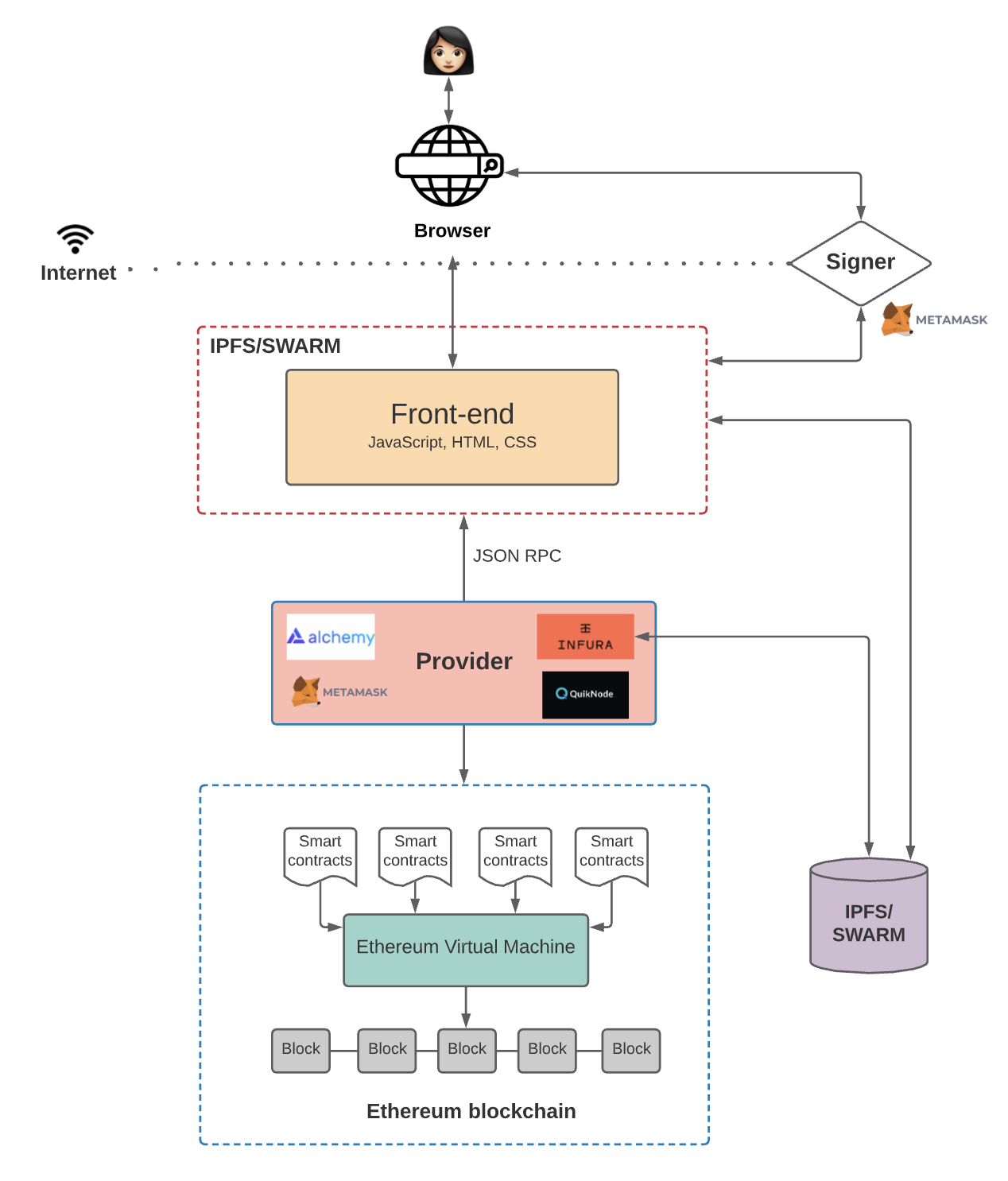
- Özel RPC Sağlayıcıları: Alchemy, QuickNode veya Infura gibi profesyonel servisleri kullanarak stabiliteyi artırın.
- Node Hosting: Eğer gizlilik ve tam kontrol gerekiyorsa, kendi
BorveHeimdallnode’larınızı Docker üzerinde koşturun. - İzleme:
PolygonScanAPI’lerini kullanarak transaction durumlarını ve gas fiyatlarını anlık olarak takip edin.
Teknik Sözlük (Glossary)
- Heimdall: Validator yönetiminden sorumlu Cosmos-SDK tabanlı katman.
- Bor: Blok üretiminden sorumlu Geth (Go-Ethereum) tabanlı yürütme katmanı.
- Checkpoint: Polygon işlemlerinin özetinin Ethereum’a gönderildiği anlık görüntü.
- StateSync: İki katman arasında veri taşıyan haberleşme mekanizması.
- MATIC/POL: Ağın yerel yakıtı ve staking varlığı.
- Slashing: Hatalı veya kötü niyetli validator’lerin varlıklarının yakılması.
- zkEVM: Sıfır bilgi kanıtı kullanarak Ethereum uyumluluğu sağlayan ölçekleme çözümü.
- Finality: Bir işlemin geri döndürülemez şekilde onaylanması süreci.
Gerçek Dünya Senaryosu: Yüksek Trafikli DeFi ve NFT Mimarisi
Polygon üzerinde çalışan devasa protokoller (örneğin QuickSwap veya Aave) sistemlerini nasıl kurguluyor? Bir senior mimar olarak şu yapıyı kurabilmelisiniz:
- Frontend: Kullanıcı Web3 bağlantısını
WalletConnectile kurar. - Indexer Katmanı: Zincir üzerindeki verileri (bakiyeler, geçmiş işlemler) doğrudan RPC’den sormak yerine
The Graphkullanarak indeksler. - Execution: Kullanıcı işlemi Polygon üzerinde onayladığında, blok süresi 2s olduğu için kullanıcıya anında “Başarılı” dönülür.
- Finalization: Arka planda Heimdall checkpoint’i Ethereum’a yazdığında, işlemin “kesinleşmiş” olduğu veritabanında işaretlenir.
Yönetişim (Governance): Ağın Geleceğini Kim Belirliyor?
Polygon ağındaki parametreler (örneğin gas limitleri veya validator seçimi), PIP (Polygon Improvement Proposal) süreciyle belirlenir. Bu, Ethereum’un EIP sürecine benzer. Bir senior geliştirici olarak, protokolünüzün ağ güncellemelerinden etkilenmemesi için PIP kanallarını aktif takip etmeli ve Snapshot üzerinden yapılan oylamalara katılmalısınız.
Polygon 2.0: POL Token ve Hiper-Ölçekleme
Polygon 2.0 ile birlikte MATIC tokenı, POL tokenına dönüşüyor. POL, sadece bir ödeme aracı değil, aynı zamanda çok zincirli (multi-chain) yapıda her bir zincirin güvenliğini sağlayabilen “hiper-üretken” (hyper-productive) bir varlıktır. Bu mimari, binlerce uygulama özelinde zincirin (App-chains/Supernets) tek bir likidite havuzundan faydalanmasını mümkün kılıyor.
Karşılaştırma: Polygon PoS vs. zkEVM
Hangi platformu seçmelisiniz? İşte mühendislik perspektifinden bir kıyaslama:
| Özellik | Polygon PoS | Polygon zkEVM |
|---|---|---|
| Hız | Çok Yüksek (2s blok süresi) | Yüksek (Batch işleme) |
| Maliyet | Çok Düşük | Düşük / Orta |
| Güvenlik | PoS (Validator dürüstlüğü) | ZK-Proofs (Matematiksel kanıt) |
| Uyumluluk | Tam EVM | Tam (EVM Equivalence) |
| Kullanım Alanı | Oyun, Sosyal Medya, NFT | DeFi, Kurumsal Finans |
Gelecek Notu
Polygon, Ethereum’un “Sidekick”i (yardımcı oyuncusu) olmaktan çıkıp, kendi başına devasa bir ekosistem kurma yolunda ilerliyor. Bir mühendis olarak Polygon mimarisini anlamak, sadece bugünün Web3 dünyasını değil, geleceğin “Value Layer” (Değer Katmanı) altyapısını da anlamak demektir. Eğer farklı ölçekleme yaklaşımlarını merak ediyorsanız, Solana Program Geliştirme ve Cross-chain Bridge Mimarisi rehberlerimizi de inceleyerek ekosistemler arası farkları daha iyi kavrayabilirsiniz.
Kodunuzu yazarken her zaman ölçeklenebilirliği düşünün, gas optimizasyonunu bir sanat olarak görün ve ZK teknolojilerinin getirdiği yeni dünyayı yakından takip edin.
İleri Okuma ve Kaynaklar
- Polygon Developer Documentation
- Polygon PoS Governance Forum
- zkEVM Whitepaper and Research
- AggLayer Technical Deep Dive
- Polygon Architecture Wiki (GitHub)
Senior İpuçları: Geliştirme Süreci
Polygon’da başarılı bir uygulama için bu üç kuralı aklınızdan çıkarmayın:
- Transaction Reversion: Gas fiyatını çok düşük tutarsanız işleminiz “pending” (beklemede) kalabilir. Her zaman ağın güncel
Priority Feedeğerlerini kontrol edin. - Deterministic Layouts: Verilerinizi depolarken (structs) paketleme kurallarına uyarak hem gas tasarrufu yapın hem de okumayı hızlandırın.
- Indexer Use: Asla doğrudan RPC üzerinden büyük veri sorguları (örn: getPastEvents) yapmayın; bu, prodüksiyon ortamında uygulamanızın donmasına neden olabilir.
Mutlu geliştirmeler! 🟣