Modern mikroservis mimarilerinde servisler arası iletişim kritik bir rol oynar. REST API’ler uzun yıllardır standart olsa da, gRPC (Google Remote Procedure Call) yüksek performans, düşük latency ve güçlü type-safety özellikleriyle öne çıkıyor. Bu yazıda, gRPC’nin temellerini, Protocol Buffers’ı, Python ile implementasyonunu ve best practice’leri ele alacağız.
gRPC Nedir ve Neden Önemli?
gRPC, Google tarafından geliştirilen ve HTTP/2 üzerinde çalışan modern bir RPC (Remote Procedure Call) framework’üdür. REST API’lere alternatif olarak, özellikle mikroservis mimarilerinde tercih edilir.
gRPC’nin Temel Avantajları
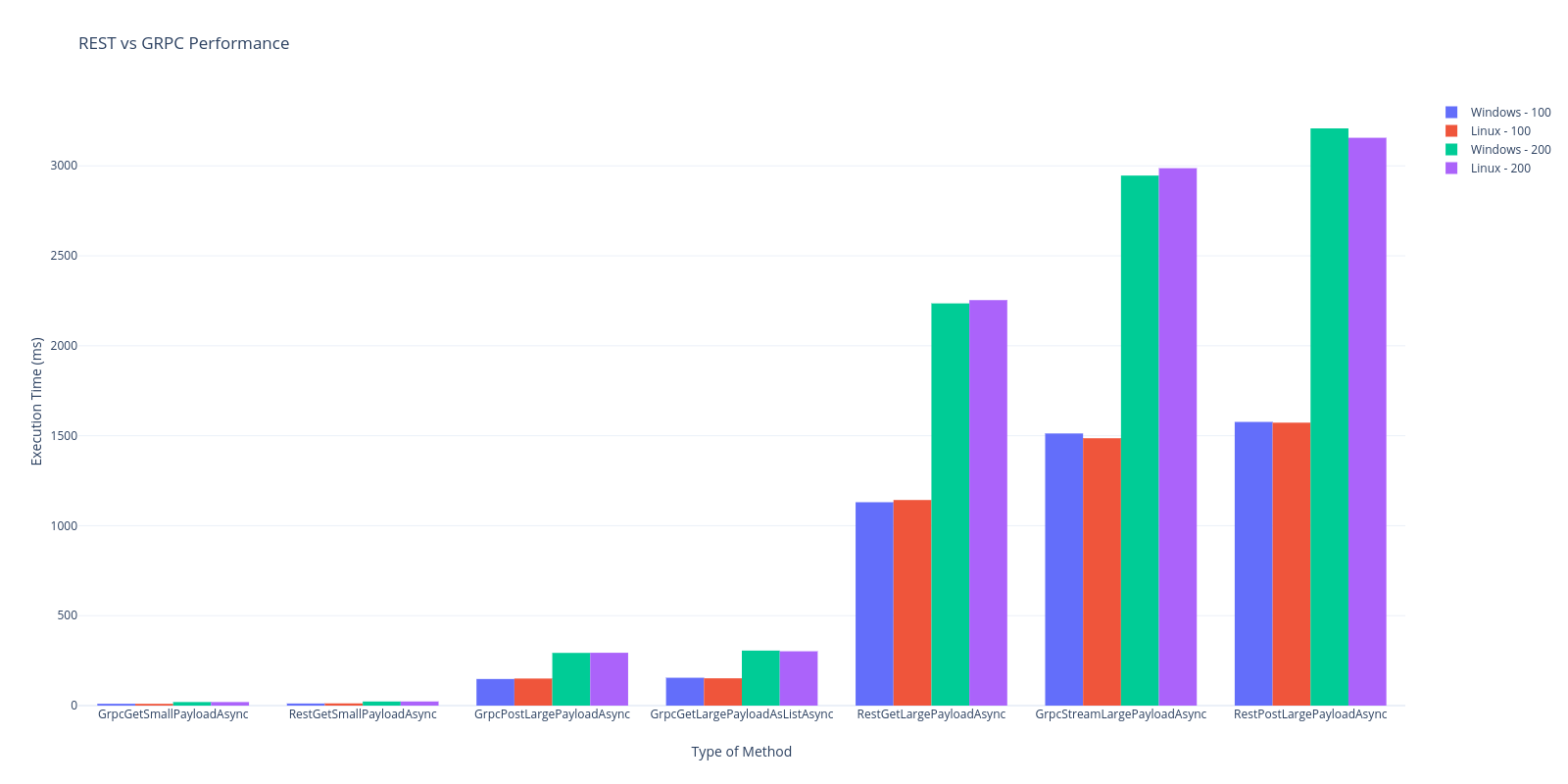
- Yüksek Performans: Binary serialization (Protocol Buffers) sayesinde JSON’dan 5-10x daha hızlı
- HTTP/2: Multiplexing, server push, header compression gibi özellikler
- Streaming: Unary, server streaming, client streaming, bidirectional streaming desteği
- Type-Safety: Protocol Buffers ile güçlü tip kontrolü
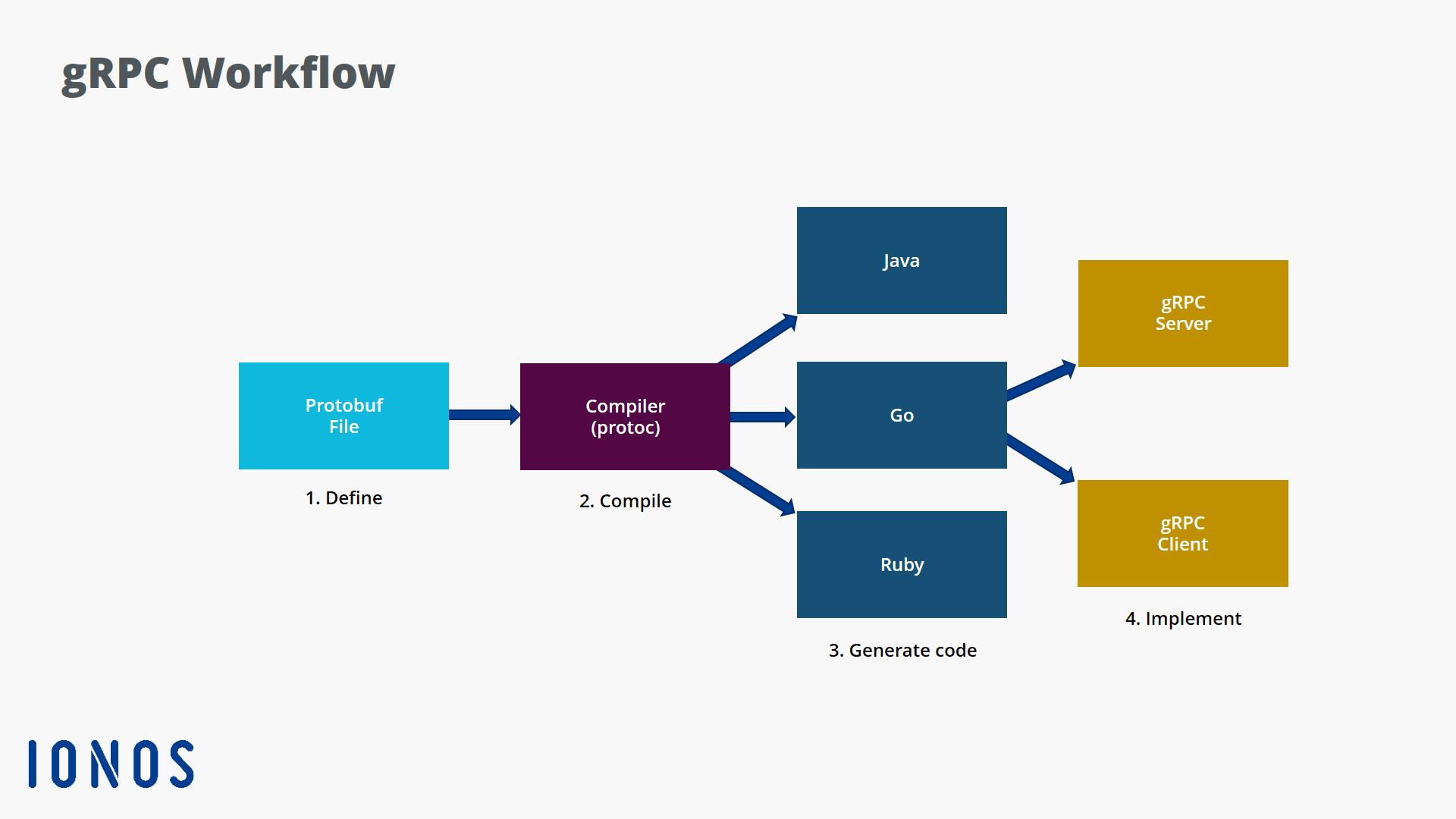
- Code Generation: Otomatik client ve server kodu üretimi
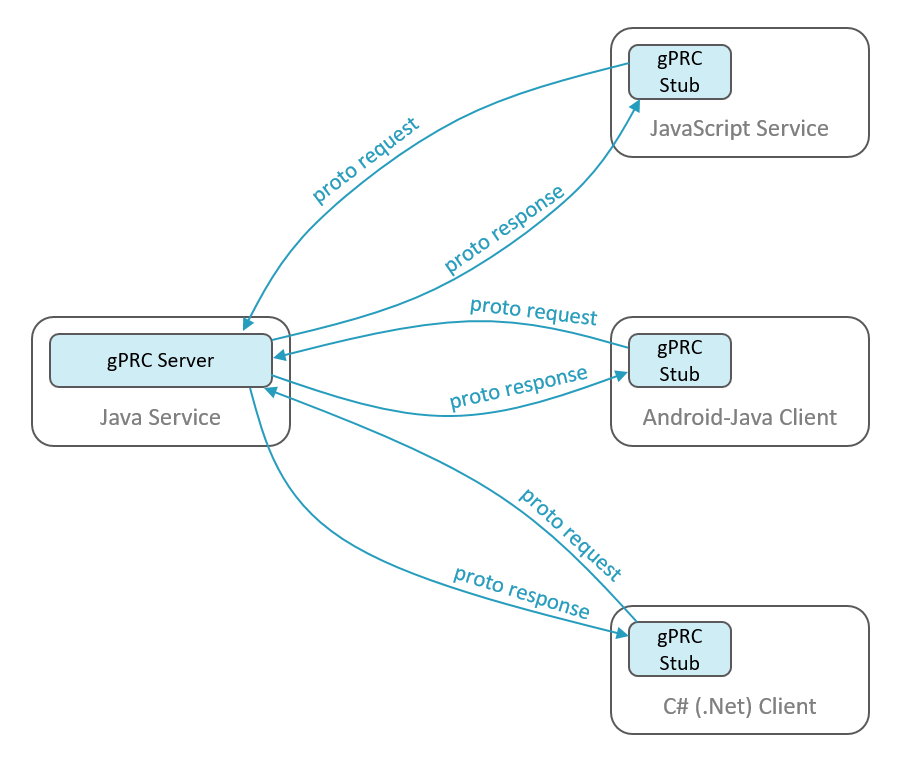
- Çoklu Dil Desteği: 10+ programlama dili için resmi destek
gRPC vs REST: Karşılaştırma
| Özellik | gRPC | REST |
|---|
| Protocol | HTTP/2 | HTTP/1.1 |
| Payload Format | Protocol Buffers (binary) | JSON (text) |
| Streaming | Bidirectional | Sınırlı |
| Performance | Yüksek | Orta |
| Browser Support | Sınırlı (gRPC-Web gerekli) | Tam |
| Human Readable | Hayır | Evet |
| Code Generation | Otomatik | Manuel/3rd party |
Protocol Buffers: gRPC’nin Kalbindeki Teknoloji
Protocol Buffers (protobuf), Google’ın geliştirdiği language-agnostic binary serialization formatıdır.
.proto Dosyası Tanımlama
1
2
3
4
5
6
7
8
9
10
11
12
13
14
15
16
17
18
19
20
21
22
23
24
25
26
27
28
29
30
31
32
33
34
35
36
37
38
39
40
41
42
43
44
45
46
47
48
49
50
51
52
53
54
55
56
57
58
59
60
61
62
63
64
65
66
67
68
69
70
71
72
| // user.proto
syntax = "proto3";
package user;
// User message tanımı
message User {
int32 id = 1;
string username = 2;
string email = 3;
bool is_active = 4;
repeated string roles = 5; // repeated = list/array
google.protobuf.Timestamp created_at = 6;
}
// Request/Response mesajları
message GetUserRequest {
int32 user_id = 1;
}
message GetUserResponse {
User user = 1;
string message = 2;
}
message CreateUserRequest {
string username = 1;
string email = 2;
string password = 3;
}
message CreateUserResponse {
User user = 1;
bool success = 2;
}
message ListUsersRequest {
int32 page = 1;
int32 page_size = 2;
string filter = 3;
}
message ListUsersResponse {
repeated User users = 1;
int32 total_count = 2;
int32 page = 3;
}
// Service tanımı
service UserService {
// Unary RPC - tek request, tek response
rpc GetUser(GetUserRequest) returns (GetUserResponse);
// Unary RPC - kullanıcı oluşturma
rpc CreateUser(CreateUserRequest) returns (CreateUserResponse);
// Server streaming - sunucu birden fazla response gönderir
rpc ListUsers(ListUsersRequest) returns (stream User);
// Client streaming - client birden fazla request gönderir
rpc BulkCreateUsers(stream CreateUserRequest) returns (CreateUserResponse);
// Bidirectional streaming - hem client hem server stream
rpc ChatWithSupport(stream ChatMessage) returns (stream ChatMessage);
}
// Chat mesajı için ek message
message ChatMessage {
int32 user_id = 1;
string message = 2;
google.protobuf.Timestamp timestamp = 3;
}
|
Protocol Buffers Data Types
1
2
3
4
5
6
7
8
9
10
11
12
13
14
15
16
17
18
19
20
21
22
23
24
25
26
27
28
29
30
31
32
33
34
35
36
37
38
39
40
41
42
43
44
45
46
47
48
49
50
51
52
53
54
55
56
57
58
| syntax = "proto3";
message DataTypes {
// Sayılar
int32 age = 1; // 32-bit integer
int64 big_number = 2; // 64-bit integer
uint32 count = 3; // unsigned 32-bit
float price = 4; // 32-bit float
double precise = 5; // 64-bit double
// String ve bytes
string name = 6; // UTF-8 string
bytes data = 7; // arbitrary bytes
// Boolean
bool is_active = 8;
// Enum
Status status = 9;
// Nested message
Address address = 10;
// Repeated (list/array)
repeated string tags = 11;
// Map
map<string, int32> scores = 12;
// Oneof - birden fazla alan aynı anda kullanılamaz
oneof payment_method {
CreditCard credit_card = 13;
PayPal paypal = 14;
}
}
enum Status {
UNKNOWN = 0; // Default değer 0 olmalı
ACTIVE = 1;
INACTIVE = 2;
SUSPENDED = 3;
}
message Address {
string street = 1;
string city = 2;
string country = 3;
string zip_code = 4;
}
message CreditCard {
string number = 1;
string cvv = 2;
}
message PayPal {
string email = 1;
}
|
Python ile gRPC Server Implementasyonu
Kurulum ve Proto Derleme
1
2
3
4
5
6
7
8
9
10
11
12
13
| # gRPC ve protobuf kurulumu
pip install grpcio grpcio-tools
# Proto dosyasını derle (Python kodu oluştur)
python -m grpc_tools.protoc \
-I. \
--python_out=. \
--grpc_python_out=. \
user.proto
# Oluşturulan dosyalar:
# user_pb2.py - message tanımları
# user_pb2_grpc.py - service tanımları
|
gRPC Server Implementation
1
2
3
4
5
6
7
8
9
10
11
12
13
14
15
16
17
18
19
20
21
22
23
24
25
26
27
28
29
30
31
32
33
34
35
36
37
38
39
40
41
42
43
44
45
46
47
48
49
50
51
52
53
54
55
56
57
58
59
60
61
62
63
64
65
66
67
68
69
70
71
72
73
74
75
76
77
78
79
80
81
82
83
84
85
86
87
88
89
90
91
92
93
94
95
96
97
98
99
100
101
102
103
104
105
106
107
108
109
110
111
112
113
114
115
116
117
118
119
120
121
122
123
124
125
126
127
128
129
130
131
132
133
134
135
136
137
138
139
140
141
142
143
144
145
146
147
148
149
150
151
152
153
154
155
156
157
158
159
160
161
162
163
164
165
166
167
168
169
| # server.py
import grpc
from concurrent import futures
import time
from datetime import datetime
import user_pb2
import user_pb2_grpc
from google.protobuf.timestamp_pb2 import Timestamp
# In-memory veritabanı (örnek için)
users_db = {}
user_id_counter = 1
class UserServiceServicer(user_pb2_grpc.UserServiceServicer):
"""UserService implementasyonu"""
def GetUser(self, request, context):
"""Tek kullanıcı getir - Unary RPC"""
user_id = request.user_id
if user_id not in users_db:
# gRPC error döndür
context.set_code(grpc.StatusCode.NOT_FOUND)
context.set_details(f'User with ID {user_id} not found')
return user_pb2.GetUserResponse()
user = users_db[user_id]
return user_pb2.GetUserResponse(
user=user,
message="User retrieved successfully"
)
def CreateUser(self, request, context):
"""Kullanıcı oluştur - Unary RPC"""
global user_id_counter
# Validasyon
if not request.username or not request.email:
context.set_code(grpc.StatusCode.INVALID_ARGUMENT)
context.set_details('Username and email are required')
return user_pb2.CreateUserResponse(success=False)
# Email kontrolü
for user in users_db.values():
if user.email == request.email:
context.set_code(grpc.StatusCode.ALREADY_EXISTS)
context.set_details('Email already exists')
return user_pb2.CreateUserResponse(success=False)
# Timestamp oluştur
timestamp = Timestamp()
timestamp.GetCurrentTime()
# User oluştur
user = user_pb2.User(
id=user_id_counter,
username=request.username,
email=request.email,
is_active=True,
roles=['user'],
created_at=timestamp
)
users_db[user_id_counter] = user
user_id_counter += 1
return user_pb2.CreateUserResponse(
user=user,
success=True
)
def ListUsers(self, request, context):
"""Kullanıcı listesi - Server Streaming"""
page = request.page if request.page > 0 else 1
page_size = request.page_size if request.page_size > 0 else 10
filter_text = request.filter.lower()
# Filtreleme
filtered_users = []
for user in users_db.values():
if not filter_text or \
filter_text in user.username.lower() or \
filter_text in user.email.lower():
filtered_users.append(user)
# Pagination
start_idx = (page - 1) * page_size
end_idx = start_idx + page_size
page_users = filtered_users[start_idx:end_idx]
# Stream olarak kullanıcıları gönder
for user in page_users:
yield user
time.sleep(0.1) # Simulated delay
def BulkCreateUsers(self, request_iterator, context):
"""Toplu kullanıcı oluşturma - Client Streaming"""
global user_id_counter
created_count = 0
last_user = None
for create_request in request_iterator:
# Her gelen request için kullanıcı oluştur
timestamp = Timestamp()
timestamp.GetCurrentTime()
user = user_pb2.User(
id=user_id_counter,
username=create_request.username,
email=create_request.email,
is_active=True,
roles=['user'],
created_at=timestamp
)
users_db[user_id_counter] = user
user_id_counter += 1
created_count += 1
last_user = user
return user_pb2.CreateUserResponse(
user=last_user,
success=True
)
def ChatWithSupport(self, request_iterator, context):
"""Çift yönlü chat - Bidirectional Streaming"""
for message in request_iterator:
# Gelen mesajı al
print(f"Received: {message.message} from user {message.user_id}")
# Otomatik cevap gönder
timestamp = Timestamp()
timestamp.GetCurrentTime()
response = user_pb2.ChatMessage(
user_id=0, # System user
message=f"Echo: {message.message}",
timestamp=timestamp
)
yield response
time.sleep(0.5) # Simulated processing time
def serve():
"""gRPC sunucusunu başlat"""
# Thread pool oluştur
server = grpc.server(futures.ThreadPoolExecutor(max_workers=10))
# Servicer'ı ekle
user_pb2_grpc.add_UserServiceServicer_to_server(
UserServiceServicer(), server
)
# Port dinle
port = '50051'
server.add_insecure_port(f'[::]:{port}')
print(f"gRPC Server starting on port {port}...")
server.start()
try:
server.wait_for_termination()
except KeyboardInterrupt:
print("\nShutting down server...")
server.stop(0)
if __name__ == '__main__':
serve()
|
gRPC Client Implementasyonu
1
2
3
4
5
6
7
8
9
10
11
12
13
14
15
16
17
18
19
20
21
22
23
24
25
26
27
28
29
30
31
32
33
34
35
36
37
38
39
40
41
42
43
44
45
46
47
48
49
50
51
52
53
54
55
56
57
58
59
60
61
62
63
64
65
66
67
68
69
70
71
72
73
74
75
76
77
78
79
80
81
82
83
84
85
86
87
88
89
90
91
92
93
94
95
96
97
98
99
100
101
102
103
104
105
106
107
108
109
110
111
112
113
114
115
116
117
118
119
120
121
122
123
124
125
126
127
128
129
130
131
132
133
134
| # client.py
import grpc
import user_pb2
import user_pb2_grpc
from google.protobuf.timestamp_pb2 import Timestamp
def run_unary_example(stub):
"""Unary RPC örneği"""
print("\n=== Unary RPC Example ===")
# Kullanıcı oluştur
create_request = user_pb2.CreateUserRequest(
username="john_doe",
email="[email protected]",
password="secure123"
)
try:
response = stub.CreateUser(create_request)
print(f"User created: {response.user.username} (ID: {response.user.id})")
except grpc.RpcError as e:
print(f"Error: {e.code()} - {e.details()}")
return None
# Kullanıcıyı getir
get_request = user_pb2.GetUserRequest(user_id=response.user.id)
try:
get_response = stub.GetUser(get_request)
print(f"Retrieved user: {get_response.user.username}")
print(f"Message: {get_response.message}")
return get_response.user.id
except grpc.RpcError as e:
print(f"Error: {e.code()} - {e.details()}")
return None
def run_server_streaming_example(stub):
"""Server Streaming örneği"""
print("\n=== Server Streaming Example ===")
request = user_pb2.ListUsersRequest(
page=1,
page_size=5,
filter=""
)
try:
# Server'dan stream olarak kullanıcıları al
user_stream = stub.ListUsers(request)
print("Receiving users stream:")
for user in user_stream:
print(f" - {user.username} ({user.email})")
except grpc.RpcError as e:
print(f"Error: {e.code()} - {e.details()}")
def run_client_streaming_example(stub):
"""Client Streaming örneği"""
print("\n=== Client Streaming Example ===")
def generate_users():
"""Kullanıcı stream'i oluştur"""
users_to_create = [
{"username": "alice", "email": "[email protected]", "password": "pass1"},
{"username": "bob", "email": "[email protected]", "password": "pass2"},
{"username": "charlie", "email": "[email protected]", "password": "pass3"},
]
for user_data in users_to_create:
yield user_pb2.CreateUserRequest(**user_data)
print(f"Sending: {user_data['username']}")
try:
response = stub.BulkCreateUsers(generate_users())
print(f"Bulk creation completed. Last user: {response.user.username}")
except grpc.RpcError as e:
print(f"Error: {e.code()} - {e.details()}")
def run_bidirectional_streaming_example(stub):
"""Bidirectional Streaming örneği"""
print("\n=== Bidirectional Streaming Example ===")
def generate_messages():
"""Chat mesajları oluştur"""
messages = ["Hello", "How are you?", "Need help with gRPC"]
for msg in messages:
timestamp = Timestamp()
timestamp.GetCurrentTime()
yield user_pb2.ChatMessage(
user_id=1,
message=msg,
timestamp=timestamp
)
print(f"Sent: {msg}")
try:
# Bidirectional stream başlat
responses = stub.ChatWithSupport(generate_messages())
print("\nReceiving responses:")
for response in responses:
print(f" Support: {response.message}")
except grpc.RpcError as e:
print(f"Error: {e.code()} - {e.details()}")
def main():
"""Ana client fonksiyonu"""
# Channel oluştur (bağlantı)
channel = grpc.insecure_channel('localhost:50051')
# Stub (client) oluştur
stub = user_pb2_grpc.UserServiceStub(channel)
try:
# Unary RPC
run_unary_example(stub)
# Server Streaming
run_server_streaming_example(stub)
# Client Streaming
run_client_streaming_example(stub)
# Bidirectional Streaming
run_bidirectional_streaming_example(stub)
finally:
channel.close()
print("\nConnection closed.")
if __name__ == '__main__':
main()
|
AsyncIO ile non-blocking gRPC implementasyonu:
1
2
3
4
5
6
7
8
9
10
11
12
13
14
15
16
17
18
19
20
21
22
23
24
25
26
27
28
29
30
31
32
33
34
35
36
37
38
39
40
41
42
43
44
45
46
47
48
49
50
51
52
53
54
55
56
57
58
59
60
61
62
63
64
65
66
| # async_server.py
import asyncio
import grpc
from grpc import aio
import user_pb2
import user_pb2_grpc
class AsyncUserServiceServicer(user_pb2_grpc.UserServiceServicer):
"""Async UserService implementasyonu"""
async def GetUser(self, request, context):
"""Async kullanıcı getirme"""
# Async veritabanı sorgusu (örnek)
await asyncio.sleep(0.1) # Simulated DB query
user = user_pb2.User(
id=request.user_id,
username=f"user_{request.user_id}",
email=f"user{request.user_id}@example.com",
is_active=True,
roles=['user']
)
return user_pb2.GetUserResponse(
user=user,
message="User retrieved"
)
async def ListUsers(self, request, context):
"""Async server streaming"""
for i in range(10):
# Async işlem
await asyncio.sleep(0.1)
user = user_pb2.User(
id=i,
username=f"user_{i}",
email=f"user{i}@example.com",
is_active=True,
roles=['user']
)
yield user
async def serve():
"""Async gRPC server"""
server = aio.server()
user_pb2_grpc.add_UserServiceServicer_to_server(
AsyncUserServiceServicer(), server
)
listen_addr = '[::]:50051'
server.add_insecure_port(listen_addr)
print(f"Async gRPC Server starting on {listen_addr}")
await server.start()
try:
await server.wait_for_termination()
except KeyboardInterrupt:
print("\nShutting down...")
await server.stop(0)
if __name__ == '__main__':
asyncio.run(serve())
|
Async client:
1
2
3
4
5
6
7
8
9
10
11
12
13
14
15
16
17
18
19
20
21
22
23
24
25
26
27
28
29
30
31
32
33
| # async_client.py
import asyncio
import grpc
from grpc import aio
import user_pb2
import user_pb2_grpc
async def run_async_calls():
"""Async gRPC çağrıları"""
async with aio.insecure_channel('localhost:50051') as channel:
stub = user_pb2_grpc.UserServiceStub(channel)
# Paralel unary çağrılar
tasks = [
stub.GetUser(user_pb2.GetUserRequest(user_id=i))
for i in range(5)
]
responses = await asyncio.gather(*tasks)
print("Received users:")
for response in responses:
print(f" - {response.user.username}")
# Server streaming
print("\nStreaming users:")
request = user_pb2.ListUsersRequest(page=1, page_size=5)
async for user in stub.ListUsers(request):
print(f" - {user.username}")
if __name__ == '__main__':
asyncio.run(run_async_calls())
|
Interceptors: Middleware Benzeri İşlemler
gRPC interceptor’ları ile logging, authentication, rate limiting gibi cross-cutting concerns implement edebilirsiniz:
1
2
3
4
5
6
7
8
9
10
11
12
13
14
15
16
17
18
19
20
21
22
23
24
25
26
27
28
29
30
31
32
33
34
35
36
37
38
39
40
41
42
43
44
45
46
47
48
49
50
51
52
53
54
55
56
57
58
59
60
61
62
63
64
65
66
67
68
69
70
71
72
73
74
75
76
77
78
79
80
81
82
83
84
85
86
87
88
89
90
91
92
93
94
95
96
97
98
99
100
101
102
103
104
105
106
107
108
109
110
111
112
113
114
115
| # interceptors.py
import grpc
import time
import logging
from grpc_interceptor import ServerInterceptor
logging.basicConfig(level=logging.INFO)
logger = logging.getLogger(__name__)
class LoggingInterceptor(ServerInterceptor):
"""Request/response loglama"""
def intercept(self, method, request, context, method_name):
"""Her RPC çağrısında çalışır"""
start_time = time.time()
logger.info(f"RPC Started: {method_name}")
logger.info(f"Request: {request}")
try:
# Gerçek RPC çağrısı
response = method(request, context)
elapsed = time.time() - start_time
logger.info(f"RPC Completed: {method_name} ({elapsed:.3f}s)")
logger.info(f"Response: {response}")
return response
except Exception as e:
elapsed = time.time() - start_time
logger.error(f"RPC Failed: {method_name} ({elapsed:.3f}s) - {str(e)}")
raise
class AuthInterceptor(ServerInterceptor):
"""Authentication kontrolü"""
def intercept(self, method, request, context, method_name):
"""Token kontrolü yap"""
# Metadata'dan token al
metadata = dict(context.invocation_metadata())
token = metadata.get('authorization', '')
# Token validation (örnek)
if not self.validate_token(token):
context.abort(
grpc.StatusCode.UNAUTHENTICATED,
'Invalid or missing token'
)
# Token geçerli, devam et
return method(request, context)
def validate_token(self, token):
"""Token doğrulama"""
# Gerçek implementasyonda JWT validation yapılır
return token.startswith('Bearer ')
class RateLimitInterceptor(ServerInterceptor):
"""Rate limiting"""
def __init__(self, max_requests_per_minute=60):
self.max_requests = max_requests_per_minute
self.requests = {} # IP -> (count, window_start)
def intercept(self, method, request, context, method_name):
"""Rate limit kontrolü"""
# Client IP al
peer = context.peer()
current_time = time.time()
if peer not in self.requests:
self.requests[peer] = (1, current_time)
else:
count, window_start = self.requests[peer]
# 1 dakikalık pencere kontrolü
if current_time - window_start > 60:
# Yeni pencere başlat
self.requests[peer] = (1, current_time)
else:
# Aynı penceredeyiz
if count >= self.max_requests:
context.abort(
grpc.StatusCode.RESOURCE_EXHAUSTED,
'Rate limit exceeded'
)
self.requests[peer] = (count + 1, window_start)
return method(request, context)
# Server'a interceptor ekleme
def serve_with_interceptors():
"""Interceptor'lı server"""
from grpc_interceptor.server import ServerInterceptor as GRPCInterceptor
interceptors = [
LoggingInterceptor(),
AuthInterceptor(),
RateLimitInterceptor(max_requests_per_minute=100)
]
server = grpc.server(
futures.ThreadPoolExecutor(max_workers=10),
interceptors=interceptors
)
user_pb2_grpc.add_UserServiceServicer_to_server(
UserServiceServicer(), server
)
server.add_insecure_port('[::]:50051')
server.start()
server.wait_for_termination()
|
Error Handling ve Best Practices
Proper Error Handling
1
2
3
4
5
6
7
8
9
10
11
12
13
14
15
16
17
18
19
20
21
22
23
24
25
26
27
28
29
30
31
32
33
34
35
36
37
| def GetUser(self, request, context):
"""Doğru error handling"""
try:
user_id = request.user_id
# Validasyon
if user_id <= 0:
context.set_code(grpc.StatusCode.INVALID_ARGUMENT)
context.set_details('User ID must be positive')
return user_pb2.GetUserResponse()
# Kullanıcıyı bul
user = database.get_user(user_id)
if not user:
context.set_code(grpc.StatusCode.NOT_FOUND)
context.set_details(f'User {user_id} not found')
return user_pb2.GetUserResponse()
# Permission kontrolü
if not has_permission(context, user):
context.set_code(grpc.StatusCode.PERMISSION_DENIED)
context.set_details('Insufficient permissions')
return user_pb2.GetUserResponse()
return user_pb2.GetUserResponse(user=user, message="Success")
except DatabaseError as e:
context.set_code(grpc.StatusCode.INTERNAL)
context.set_details(f'Database error: {str(e)}')
return user_pb2.GetUserResponse()
except Exception as e:
logger.exception("Unexpected error")
context.set_code(grpc.StatusCode.UNKNOWN)
context.set_details('Internal server error')
return user_pb2.GetUserResponse()
|
gRPC Status Codes
1
2
3
4
5
6
7
8
9
10
11
12
13
14
15
| # Yaygın kullanılan status code'lar
COMMON_STATUS_CODES = {
grpc.StatusCode.OK: "Success",
grpc.StatusCode.CANCELLED: "Request cancelled",
grpc.StatusCode.INVALID_ARGUMENT: "Invalid argument provided",
grpc.StatusCode.DEADLINE_EXCEEDED: "Deadline exceeded",
grpc.StatusCode.NOT_FOUND: "Resource not found",
grpc.StatusCode.ALREADY_EXISTS: "Resource already exists",
grpc.StatusCode.PERMISSION_DENIED: "Permission denied",
grpc.StatusCode.RESOURCE_EXHAUSTED: "Resource exhausted (rate limit)",
grpc.StatusCode.FAILED_PRECONDITION: "Failed precondition",
grpc.StatusCode.UNAUTHENTICATED: "Authentication required",
grpc.StatusCode.INTERNAL: "Internal server error",
grpc.StatusCode.UNAVAILABLE: "Service unavailable",
}
|
Load Balancing ve Service Discovery
Client-Side Load Balancing
1
2
3
4
5
6
7
8
9
10
11
12
13
14
15
16
17
18
19
20
21
22
23
24
25
26
27
28
29
30
31
32
33
34
35
36
37
38
39
40
41
42
43
| # load_balanced_client.py
import grpc
def create_load_balanced_channel():
"""Load balanced gRPC channel"""
# DNS resolution ile load balancing
# kubernetes gibi ortamlarda DNS round-robin
options = [
('grpc.lb_policy_name', 'round_robin'),
('grpc.enable_retries', 1),
('grpc.keepalive_time_ms', 10000),
]
# Service discovery DNS
channel = grpc.insecure_channel(
'user-service:50051',
options=options
)
return channel
# Retry configuration
def create_channel_with_retry():
"""Retry politikası ile channel"""
service_config = {
'methodConfig': [{
'name': [{'service': 'user.UserService'}],
'retryPolicy': {
'maxAttempts': 3,
'initialBackoff': '0.1s',
'maxBackoff': '1s',
'backoffMultiplier': 2,
'retryableStatusCodes': ['UNAVAILABLE', 'DEADLINE_EXCEEDED']
}
}]
}
channel = grpc.insecure_channel(
'localhost:50051',
options=[('grpc.service_config', json.dumps(service_config))]
)
return channel
|
Testing gRPC Services
1
2
3
4
5
6
7
8
9
10
11
12
13
14
15
16
17
18
19
20
21
22
23
24
25
26
27
28
29
30
31
32
33
34
35
36
37
38
39
40
41
42
43
44
45
46
47
48
49
50
51
52
| # test_user_service.py
import pytest
import grpc
from grpc_testing import server_from_dictionary, strict_real_time
import user_pb2
import user_pb2_grpc
from server import UserServiceServicer
@pytest.fixture
def grpc_server():
"""Test gRPC server fixture"""
servicer = UserServiceServicer()
descriptors_to_services = {
user_pb2.DESCRIPTOR.services_by_name['UserService']: servicer
}
return server_from_dictionary(
descriptors_to_services,
strict_real_time()
)
def test_create_user(grpc_server):
"""Kullanıcı oluşturma testi"""
method = grpc_server.invoke_unary_unary(
user_pb2.DESCRIPTOR.services_by_name['UserService'].methods_by_name['CreateUser'],
invocation_metadata={},
request=user_pb2.CreateUserRequest(
username="testuser",
email="[email protected]",
password="pass123"
),
timeout=1
)
response, metadata, code, details = method.termination()
assert code == grpc.StatusCode.OK
assert response.success is True
assert response.user.username == "testuser"
def test_get_user_not_found(grpc_server):
"""Kullanıcı bulunamadı testi"""
method = grpc_server.invoke_unary_unary(
user_pb2.DESCRIPTOR.services_by_name['UserService'].methods_by_name['GetUser'],
invocation_metadata={},
request=user_pb2.GetUserRequest(user_id=999),
timeout=1
)
response, metadata, code, details = method.termination()
assert code == grpc.StatusCode.NOT_FOUND
|
Production Best Practices
1. TLS/SSL Güvenliği
1
2
3
4
5
6
7
8
9
10
11
12
13
14
15
16
17
18
19
20
21
22
23
24
| # secure_server.py
def serve_secure():
"""TLS ile güvenli server"""
# SSL sertifikaları oku
with open('server.key', 'rb') as f:
private_key = f.read()
with open('server.crt', 'rb') as f:
certificate_chain = f.read()
# Server credentials oluştur
server_credentials = grpc.ssl_server_credentials(
((private_key, certificate_chain),)
)
server = grpc.server(futures.ThreadPoolExecutor(max_workers=10))
user_pb2_grpc.add_UserServiceServicer_to_server(
UserServiceServicer(), server
)
# Güvenli port ekle
server.add_secure_port('[::]:50051', server_credentials)
server.start()
server.wait_for_termination()
|
2. Health Check
1
2
3
4
5
6
7
8
9
10
11
12
13
14
15
16
17
18
19
| // health.proto
syntax = "proto3";
service Health {
rpc Check(HealthCheckRequest) returns (HealthCheckResponse);
}
message HealthCheckRequest {
string service = 1;
}
message HealthCheckResponse {
enum ServingStatus {
UNKNOWN = 0;
SERVING = 1;
NOT_SERVING = 2;
}
ServingStatus status = 1;
}
|
3. Graceful Shutdown
1
2
3
4
5
6
7
8
9
10
11
12
13
14
15
16
17
18
19
20
21
22
23
24
| def serve_with_graceful_shutdown():
"""Graceful shutdown destekli server"""
server = grpc.server(futures.ThreadPoolExecutor(max_workers=10))
user_pb2_grpc.add_UserServiceServicer_to_server(
UserServiceServicer(), server
)
server.add_insecure_port('[::]:50051')
server.start()
print("Server started. Press Ctrl+C to stop.")
def handle_sigterm(*_):
print("Received shutdown signal")
all_rpcs_done_event = server.stop(30) # 30 saniye grace period
all_rpcs_done_event.wait(30)
print("Server stopped gracefully")
import signal
signal.signal(signal.SIGTERM, handle_sigterm)
signal.signal(signal.SIGINT, handle_sigterm)
server.wait_for_termination()
|
Sonuç
gRPC, modern mikroservis mimarilerinde yüksek performans ve güçlü type-safety gerektiren senaryolar için mükemmel bir seçimdir. Protocol Buffers ile tanımlanan contract’lar sayesinde client ve server arasında güçlü bir tip güvenliği sağlanır, otomatik kod üretimi geliştirme sürecini hızlandırır.
Bu yazıda ele aldığımız konular:
- gRPC’nin temel kavramları ve REST ile karşılaştırması
- Protocol Buffers ile service tanımlama
- Python ile gRPC server ve client implementasyonu
- Unary, streaming (server/client/bidirectional) RPC tipleri
- Async gRPC ile yüksek performanslı uygulamalar
- Interceptor’lar ile middleware benzeri işlemler
- Error handling ve status code’lar
- Load balancing ve service discovery
- Testing stratejileri
- Production best practices (TLS, health check, graceful shutdown)
gRPC özellikle mikroservisler arası iletişim, IoT, mobil backend ve real-time uygulamalar için ideal bir seçimdir.
Kaynaklar: