Blockchain Layer 2 Scaling Solutions: A Comprehensive Guide
Deep dive into Layer 2 scaling solutions for blockchain networks. Learn about Optimistic Rollups, ZK-Rollups, State Channels, and how they solve Ethereum's scalability challenges.
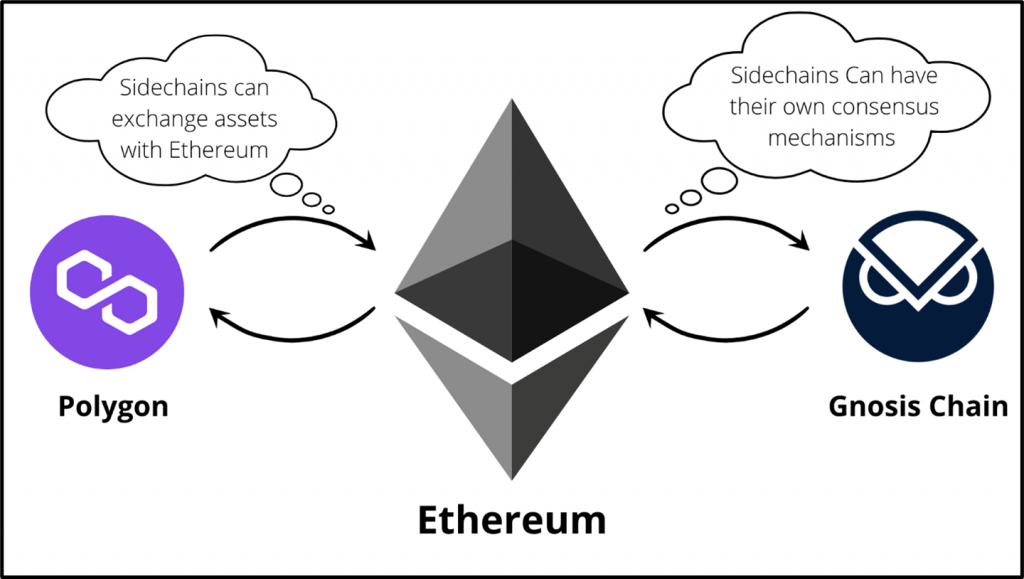
As blockchain networks continue to grow, scalability remains one of the most pressing challenges in the industry. Layer 2 scaling solutions have emerged as a powerful approach to address these limitations while maintaining the security guarantees of the underlying Layer 1 blockchain.
Understanding the Scalability Problem
Blockchain networks like Ethereum face inherent scalability limitations due to their decentralized nature. Every transaction must be processed and validated by thousands of nodes, creating a bottleneck that limits throughput and increases costs.
The Blockchain Trilemma
The blockchain trilemma, coined by Ethereum co-founder Vitalik Buterin, states that blockchain systems can only achieve two out of three properties:
- Decentralization: No single entity controls the network
- Security: The network is resistant to attacks
- Scalability: High transaction throughput
Layer 2 solutions aim to maximize scalability while inheriting security from Layer 1, effectively working around the trilemma.
What Are Layer 2 Solutions?
Layer 2 (L2) solutions are protocols built on top of a Layer 1 blockchain that process transactions off-chain while leveraging the security of the main chain. They batch multiple transactions together before submitting them to Layer 1, significantly reducing costs and increasing throughput.
Key Benefits
- Lower Transaction Costs: By batching transactions, gas fees are shared among many users
- Higher Throughput: Process thousands of transactions per second
- Faster Finality: Near-instant transaction confirmation
- Ethereum Security: Inherit security guarantees from Layer 1
- Improved UX: Better user experience with lower costs and faster transactions
Types of Layer 2 Solutions
1. Optimistic Rollups
Optimistic Rollups assume transactions are valid by default and only run computations in case of disputes.
contract OptimisticRollup {
    struct StateRoot {
        bytes32 root;
        uint256 timestamp;
        address proposer;
    }

    StateRoot[] public stateRoots;
    uint256 public constant CHALLENGE_PERIOD = 7 days;

    function submitStateRoot(bytes32 _newRoot) external {
        stateRoots.push(StateRoot({
            root: _newRoot,
            timestamp: block.timestamp,
            proposer: msg.sender
        }));

        emit StateRootSubmitted(_newRoot, msg.sender);
    }

    function challengeStateRoot(
        uint256 _index,
        bytes calldata _fraudProof
    ) external {
        require(
            block.timestamp < stateRoots[_index].timestamp + CHALLENGE_PERIOD,
            "Challenge period expired"
        );

        // Verify fraud proof
        if (_verifyFraudProof(_fraudProof)) {
            // Slash proposer and revert state
            _slashProposer(stateRoots[_index].proposer);
            delete stateRoots[_index];
        }
    }

    function _verifyFraudProof(bytes calldata _proof)
        internal
        pure
        returns (bool)
    {
        // Fraud proof verification logic
        return true;
    }

    function _slashProposer(address _proposer) internal {
        // Penalize malicious proposer
    }
}
1
2
3
4
5
6
7
8
9
10
11
12
13
14
15
16
17
18
19
20
21
22
23
24
25
26
27
28
29
30
31
32
33
34
35
36
37
38
39
40
41
42
43
44
45
46
47
48
49
50
51
52
53
54
55
56
57

**Popular Optimistic Rollups:**
- **Arbitrum**: EVM-compatible with multi-round fraud proofs
- **Optimism**: EVM-equivalent with single-round fraud proofs
- **Metis**: Decentralized sequencer model

### 2. ZK-Rollups (Zero-Knowledge Rollups)

ZK-Rollups use cryptographic proofs to validate transactions off-chain, providing instant finality.

```javascript
const { ethers } = require('ethers');
const zkSync = require('zksync');

async function depositToZKSync() {
    // Connect to Ethereum
    const ethersProvider = new ethers.providers.Web3Provider(window.ethereum);
    const ethersSigner = ethersProvider.getSigner();

    // Initialize zkSync provider
    const syncProvider = await zkSync.getDefaultProvider('mainnet');
    const syncWallet = await zkSync.Wallet.fromEthSigner(
        ethersSigner,
        syncProvider
    );

    // Check if wallet is already activated
    if (!await syncWallet.isSigningKeySet()) {
        // Activate account by setting signing key
        const changePubkey = await syncWallet.setSigningKey({
            feeToken: 'ETH',
            ethAuthType: 'ECDSA'
        });
        await changePubkey.awaitReceipt();
    }

    // Deposit funds to L2
    const deposit = await syncWallet.depositToSyncFromEthereum({
        depositTo: syncWallet.address(),
        token: 'ETH',
        amount: ethers.utils.parseEther('0.1')
    });

    // Wait for deposit confirmation
    await deposit.awaitReceipt();
    console.log('Deposited to zkSync');

    // Transfer on L2 (much cheaper)
    const transfer = await syncWallet.syncTransfer({
        to: '0x742d35Cc6634C0532925a3b844Bc9e7595f0bEb',
        token: 'ETH',
        amount: ethers.utils.parseEther('0.05')
    });

    await transfer.awaitReceipt();
    console.log('L2 transfer complete');
}
1
2
3
4
5
6
7
8
9
10
11
12
13
14
15
16
17
18
19
20
21
22
23
24
25
26
27
28
29
30
31
32
33
34
35
36
37
38
39
40
41
42
43
44
45
46
47
48
49
50
51
52
53
54
55
56
57
58
59
60
61
62
63
64
65
66
67
68
69
70
71
72
73
74
75
76
77
78
79
80
81
82
83
84
85
86
87
88
89
90
91

**Popular ZK-Rollups:**
- **zkSync Era**: EVM-compatible ZK-Rollup
- **StarkNet**: Uses STARK proofs for scalability
- **Polygon zkEVM**: Ethereum-equivalent ZK-Rollup
- **Scroll**: zkEVM with emphasis on compatibility

> ZK-Rollups provide instant finality through cryptographic validity proofs, eliminating the need for challenge periods.
{: .prompt-tip }

### 3. State Channels

State channels allow participants to transact off-chain with instant finality, only settling on-chain when the channel closes.

```solidity
contract PaymentChannel {
    address public sender;
    address public recipient;
    uint256 public expiration;

    constructor(address _recipient, uint256 duration) payable {
        sender = msg.sender;
        recipient = _recipient;
        expiration = block.timestamp + duration;
    }

    function close(uint256 amount, bytes memory signature) external {
        require(msg.sender == recipient, "Only recipient can close");
        require(isValidSignature(amount, signature), "Invalid signature");

        // Send funds to recipient
        payable(recipient).transfer(amount);

        // Return remaining funds to sender
        selfdestruct(payable(sender));
    }

    function extend(uint256 newExpiration) external {
        require(msg.sender == sender, "Only sender can extend");
        require(newExpiration > expiration, "Must extend duration");
        expiration = newExpiration;
    }

    function claimTimeout() external {
        require(block.timestamp >= expiration, "Not expired yet");
        selfdestruct(payable(sender));
    }

    function isValidSignature(uint256 amount, bytes memory signature)
        internal
        view
        returns (bool)
    {
        bytes32 message = prefixed(keccak256(abi.encodePacked(
            address(this),
            amount
        )));

        return recoverSigner(message, signature) == sender;
    }

    function prefixed(bytes32 hash) internal pure returns (bytes32) {
        return keccak256(abi.encodePacked(
            "\x19Ethereum Signed Message:\n32",
            hash
        ));
    }

    function recoverSigner(bytes32 message, bytes memory sig)
        internal
        pure
        returns (address)
    {
        (uint8 v, bytes32 r, bytes32 s) = splitSignature(sig);
        return ecrecover(message, v, r, s);
    }

    function splitSignature(bytes memory sig)
        internal
        pure
        returns (uint8 v, bytes32 r, bytes32 s)
    {
        require(sig.length == 65, "Invalid signature length");

        assembly {
            r := mload(add(sig, 32))
            s := mload(add(sig, 64))
            v := byte(0, mload(add(sig, 96)))
        }
    }
}
1
2
3
4
5
6
7
8
9
10
11
12
13
14
15
16
17
18
19
20
21
22
23
24
25
26
27
28
29
30
31
32
33
34
35
36
37
38
39
40
41
42
43
44

**Use Cases:**
- Lightning Network (Bitcoin)
- Raiden Network (Ethereum)
- Gaming microtransactions
- High-frequency trading

> State channels are ideal for high-frequency interactions between known parties, but require locking up funds for the channel duration.
{: .prompt-info }

### 4. Plasma

Plasma creates child chains that periodically commit state to the main chain.

```javascript
const { ethers } = require('ethers');
const { MaticPOSClient } = require('@maticnetwork/maticjs');

async function bridgeToPolygon() {
    const from = '0xYourAddress';
    const maticProvider = new ethers.providers.JsonRpcProvider(
        'https://polygon-rpc.com'
    );

    const maticPOSClient = new MaticPOSClient({
        network: 'mainnet',
        version: 'v1',
        parentProvider: window.ethereum,
        maticProvider: maticProvider
    });

    // Deposit ERC20 tokens to Polygon
    const result = await maticPOSClient.depositERC20ForUser(
        '0xTokenAddress',
        from,
        ethers.utils.parseEther('100'),
        {
            from,
            gasPrice: '10000000000'
        }
    );

    console.log('Deposit tx hash:', result.transactionHash);
}
1
2
3
4
5
6
7
8
9
10
11
12
13
14
15
16
17
18
19
20
21
22
23
24
25
26
27
28
29
30
31
32

## Comparing Layer 2 Solutions

| Solution | Finality | EVM Compatibility | Security Model | Cost |
|----------|----------|-------------------|----------------|------|
| Optimistic Rollups | ~7 days | High | Fraud proofs | Low |
| ZK-Rollups | Minutes | Medium-High | Validity proofs | Very Low |
| State Channels | Instant | N/A | Collateral | Lowest |
| Plasma | Variable | Low | Exit games | Low |

## Building on Layer 2

### Example: Deploying to Arbitrum

```javascript
require("@nomiclabs/hardhat-waffle");

module.exports = {
  solidity: "0.8.19",
  networks: {
    arbitrum: {
      url: "https://arb1.arbitrum.io/rpc",
      accounts: [process.env.PRIVATE_KEY],
      chainId: 42161
    },
    arbitrumGoerli: {
      url: "https://goerli-rollup.arbitrum.io/rpc",
      accounts: [process.env.PRIVATE_KEY],
      chainId: 421613
    }
  }
};
1
2
3
4
5
6
7
8
9
10
11
12
13
14
15
16
17
18
19
20
21
22
23
24
25
26
27
28

### Bridge Integration

```javascript
const { ethers } = require('ethers');
const { Bridge } = require('arb-ts');

async function bridgeToArbitrum() {
    const l1Provider = new ethers.providers.JsonRpcProvider(L1_RPC_URL);
    const l2Provider = new ethers.providers.JsonRpcProvider(L2_RPC_URL);

    const l1Signer = new ethers.Wallet(PRIVATE_KEY, l1Provider);
    const l2Signer = new ethers.Wallet(PRIVATE_KEY, l2Provider);

    const bridge = await Bridge.init(l1Signer, l2Signer);

    // Deposit ETH to L2
    const depositTx = await bridge.depositETH(
        ethers.utils.parseEther('0.1')
    );

    const depositRec = await depositTx.wait();
    console.log('Deposit complete:', depositRec.transactionHash);

    // Wait for L2 confirmation (usually ~10 minutes)
    const l2Result = await depositRec.waitForL2(l2Provider);
    console.log('Available on L2:', l2Result.transactionHash);
}
1
2
3
4
5
6
7
8
9
10
11
12
13
14
15
16
17
18
19
20
21
22
23
24
25
26
27
28
29
30
31
32
33
34
35
36
37
38
39
40
41
42
43
44

## Security Considerations

### Optimistic Rollup Risks
- Challenge period delay (typically 7 days)
- Sequencer centralization
- Data availability assumptions

### ZK-Rollup Risks
- Complexity of ZK circuits
- Trusted setup requirements (for some systems)
- Prover centralization

### Best Practices
1. **Understand the trust model** of your chosen L2
2. **Monitor sequencer health** and decentralization progress
3. **Test bridge operations** thoroughly
4. **Plan for withdrawal delays** in Optimistic Rollups
5. **Keep emergency exits** in mind for fund recovery

> Always test bridge operations on testnets first! Irreversible fund loss can occur if contracts are called incorrectly.
{: .prompt-warning }

## The Future of Layer 2

### Emerging Trends

**EIP-4844 (Proto-Danksharding)**
Reduces L2 costs by introducing blob transactions:

```solidity
function submitBatchWithBlobs(
    bytes calldata batchData,
    bytes32[] calldata blobHashes
) external {
    // Verify blob commitments
    for (uint i = 0; i < blobHashes.length; i++) {
        require(
            verifyBlobCommitment(blobHashes[i]),
            "Invalid blob"
        );
    }
    // Process batch
}
```
Shared Sequencers Decentralized sequencer networks for improved liveness and censorship resistance.
Cross-L2 Communication Seamless interoperability between different L2 networks.
Conclusion
Layer 2 scaling solutions represent a crucial step in blockchain’s evolution, offering the scalability needed for mass adoption while maintaining Ethereum’s security guarantees. Whether you choose Optimistic Rollups for EVM compatibility or ZK-Rollups for instant finality, understanding the trade-offs is key to building successful decentralized applications.
Resources
- Ethereum Layer 2 Documentation
- L2Beat - Layer 2 Analytics
- Arbitrum Documentation
- zkSync Documentation
- Optimism Docs
For production deployments, always consult the latest documentation as L2 technology evolves rapidly.